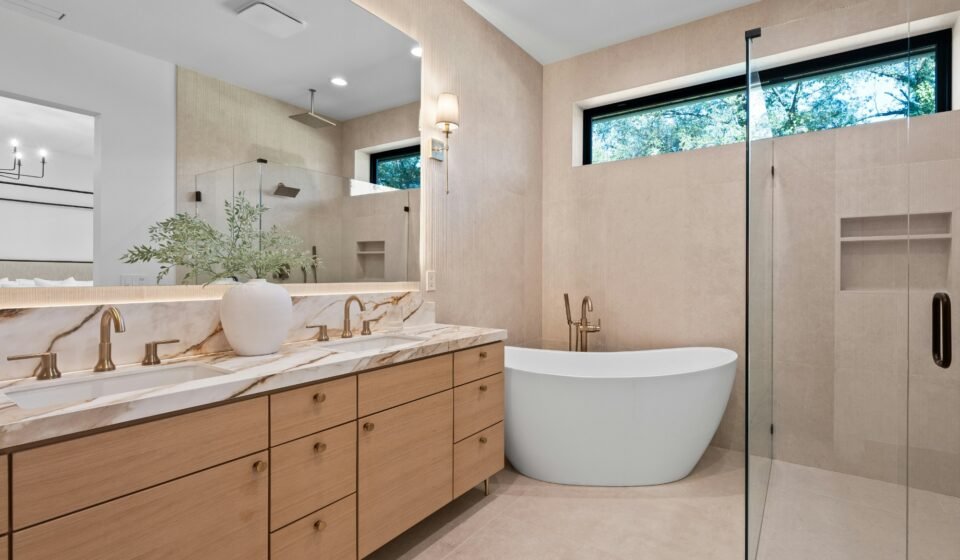

Bathroom renovations can completely change the appearance, comfort, and functionality of your home. Whether you are updating a small guest bathroom, modernizing an outdated family bathroom, or creating a relaxing ensuite, a well-planned renovation can make the space more practical while adding value to your property.
A successful bathroom renovation is about more than choosing attractive tiles and fixtures. Good planning involves understanding your available space, setting a realistic budget, selecting durable materials, improving storage, and making sure every installation is completed correctly.
Why Consider Bathroom Renovations?
Bathrooms experience heavy daily use, so fixtures, flooring, walls, and plumbing can eventually show signs of wear. An older bathroom may also have inefficient lighting, limited storage, outdated fittings, or poor ventilation.
Renovating the space gives you an opportunity to solve these problems while creating a design that better suits your lifestyle.
Common reasons homeowners choose bathroom renovations include:
- Updating an outdated design
- Improving storage space
- Replacing worn fixtures
- Increasing energy efficiency
- Improving lighting and ventilation
- Fixing plumbing or moisture problems
- Making the bathroom easier to clean
- Creating a more comfortable layout
- Increasing the property’s appeal
Even relatively small changes can make a noticeable difference when they are carefully planned.
Planning Your Bathroom Renovation
Planning should be the first stage of any renovation project. Before purchasing products or removing existing fixtures, consider how you want the finished bathroom to look and function.
Start by measuring the room carefully. Note the position of doors, windows, plumbing connections, electrical points, and existing fixtures. These details can influence the layout and may determine how much work is required.
It is also useful to create a priority list. Decide which elements are essential and which features are optional. This makes it easier to control spending if unexpected costs arise.
Set a Realistic Bathroom Renovation Budget
Budgeting is one of the most important parts of bathroom renovations. Costs can vary significantly depending on the size of the bathroom, materials, labour, plumbing requirements, and the complexity of the project.
A simple cosmetic update may cost considerably less than a complete renovation involving new plumbing, flooring, electrical work, and structural changes.
Your budget should account for:
- Fixtures and fittings
- Tiles and flooring
- Plumbing work
- Electrical work
- Lighting
- Cabinets and storage
- Mirrors
- Paint and finishing materials
- Labour
- Waste removal
- Unexpected repairs
It is wise to keep a contingency amount available for surprises. Older bathrooms can sometimes reveal damaged flooring, leaking pipes, mould, or other issues once work begins.
Choosing the Right Bathroom Layout
The layout has a major influence on how comfortable and practical the bathroom will be.
If the existing layout works well, keeping plumbing in approximately the same locations can help reduce renovation costs. Moving toilets, showers, sinks, and other fixtures may require additional plumbing work.
For smaller bathrooms, smart space planning is particularly important. Wall-mounted vanities, compact fixtures, corner showers, and sliding doors can help make the room feel less crowded.
Larger bathrooms provide more flexibility. You may have room for a freestanding bathtub, double vanity, walk-in shower, or additional storage.
Choosing Bathroom Fixtures
Bathroom fixtures should balance appearance, quality, comfort, and practicality. The cheapest option is not always the most economical choice over time.
When selecting a toilet, sink, shower, bathtub, or tapware, consider how frequently the item will be used and how easy it will be to maintain.
Modern fixtures are available in many styles, from minimalist designs to traditional options. Choosing products that complement one another can create a more cohesive appearance.
It is also important to check measurements before ordering anything. A fixture that looks perfect online may not fit comfortably within your available space.
Bathroom Tiles and Flooring
Tiles are one of the most visible elements of a bathroom. They can establish the overall style while providing a practical surface that handles moisture.
Porcelain and ceramic tiles are popular choices because they are available in many colours, patterns, sizes, and finishes.
When choosing bathroom flooring, safety should also be considered. Highly polished surfaces may become slippery when wet. Textured or slip-resistant flooring can provide a more practical solution.
Large-format tiles can create a clean, modern appearance and may result in fewer grout lines. Smaller tiles can work well for decorative details or areas requiring more flexibility around drains and curves.
Create Better Bathroom Storage
Storage is often overlooked during bathroom renovations. However, insufficient storage can quickly make even a beautiful bathroom feel cluttered.
Consider where towels, toiletries, cleaning products, toilet paper, and everyday essentials will be stored.
Vanity cabinets provide convenient storage beneath the sink, while wall-mounted cabinets can make use of vertical space. Recessed shower niches are another practical option for storing shampoo, soap, and other shower products.
Open shelving can add visual interest, but closed cabinets may be preferable if you want the room to look clean and uncluttered.
Lighting Makes a Major Difference
Good bathroom lighting should combine functionality with atmosphere.
A central ceiling light may provide general illumination, but additional lighting around the vanity can make grooming tasks easier. Mirrors with integrated lighting can also provide useful illumination while adding a modern touch.
If possible, take advantage of natural light through existing windows. However, privacy should remain a priority.
The electrical installation should always comply with applicable local regulations, particularly around wet areas. Qualified professionals should handle electrical work where required.
Improve Bathroom Ventilation
Ventilation is essential because bathrooms naturally produce moisture. Without adequate airflow, condensation can contribute to mould, unpleasant odours, and deterioration of surfaces.
An effective exhaust fan can help remove humid air. Windows can also provide natural ventilation where appropriate.
During a renovation, inspect existing ventilation rather than simply assuming it is adequate. Improving airflow can protect the renovated bathroom and reduce maintenance problems in the future.
Modern Bathroom Design Ideas
There are countless design directions available for bathroom renovations. A modern bathroom does not necessarily have to follow the latest trend. The best design is one that remains attractive and functional for years.
Popular design approaches include minimalist bathrooms with clean lines, natural-inspired spaces using stone and wood tones, contemporary bathrooms with matte finishes, and classic designs featuring neutral colours.
Neutral colours can create a timeless foundation. Decorative elements such as mirrors, towels, artwork, plants, and accessories can then introduce colour without requiring another major renovation.
Make a Small Bathroom Feel Larger
Small bathrooms can still feel comfortable with the right design choices.
Light colours can make the room feel brighter, while large mirrors can visually expand the space. Frameless glass shower screens can also create a more open appearance.
Keeping the floor visually clear can help. Wall-mounted fixtures and floating vanities can make a compact bathroom appear less crowded.
Avoid adding too many decorative elements. A simple design with carefully selected features can often make a small bathroom feel more spacious.
Energy-Efficient Bathroom Renovations
Renovation is an excellent opportunity to improve efficiency.
Water-efficient showerheads, taps, and toilets can help reduce water consumption. Energy-efficient lighting can reduce electricity use while providing effective illumination.
If you are replacing a water heater or other major system, consider its efficiency and long-term operating costs rather than focusing only on the initial purchase price.
These improvements can potentially reduce household running costs while making the bathroom more environmentally friendly.
Waterproofing Is Essential
Waterproofing is one of the most important technical aspects of bathroom renovations.
Bathrooms are constantly exposed to water and humidity. If waterproofing is incorrectly installed or damaged, moisture can penetrate walls and floors, potentially causing expensive structural problems.
Waterproofing requirements vary by location, so renovation work should follow applicable building regulations and professional standards.
This is an area where cutting corners can create significant problems later. Proper preparation and professional installation are often worth the investment.
Should You Hire a Professional?
Some cosmetic bathroom improvements can be completed by experienced DIY homeowners. Painting, replacing accessories, or installing certain decorative elements may be relatively straightforward.
However, plumbing, electrical work, waterproofing, structural modifications, and other specialist tasks can require professional knowledge and may be regulated.
Hiring experienced tradespeople can help ensure the work is completed safely and correctly.
Before choosing a contractor, check their experience, references, qualifications where applicable, insurance, and previous bathroom renovation projects.
Common Bathroom Renovation Mistakes
Even well-intentioned renovations can encounter problems. One common mistake is focusing entirely on appearance while ignoring functionality.
Other mistakes include choosing fixtures without checking measurements, underestimating storage requirements, selecting unsuitable flooring, ignoring ventilation, and failing to budget for unexpected repairs.
Another problem is rushing the project. Bathroom renovations involve multiple stages, and allowing adequate time for preparation, installation, drying, and inspections can improve the final result.
How Long Do Bathroom Renovations Take?
The duration depends on the scope of the project.
A simple cosmetic refresh may take only a few days, while a complete renovation involving demolition, plumbing, electrical work, waterproofing, tiling, and fixture installation can take considerably longer.
Delays may also occur if products are unavailable or unexpected problems are discovered.
A detailed schedule can help coordinate different trades and reduce unnecessary downtime.
How to Maintain Your Newly Renovated Bathroom
Once the renovation is complete, regular maintenance can help preserve the appearance and condition of the room.
Clean tiles and fixtures regularly, remove excess moisture, inspect silicone seals, and keep ventilation systems working properly.
Address small leaks or damaged grout as soon as possible. Minor problems are generally easier and less expensive to repair before they develop into larger issues.
Final Thoughts on Bathroom Renovations
Well-planned bathroom renovations can transform an ordinary bathroom into a comfortable, attractive, and practical part of the home. The best projects combine good design with durable materials, efficient fixtures, smart storage, effective lighting, and reliable waterproofing.
Before starting, establish your priorities and budget, measure the space carefully, and consider how the bathroom will be used every day. Avoid choosing products based purely on appearance and make sure important technical work is handled appropriately.
Whether you are planning a complete renovation or a smaller update, thoughtful decisions can create a bathroom that looks great and remains functional for many years.
More FAQs About Bathroom Renovations
What is the first step in bathroom renovations?
Start by defining your goals, measuring the space, and setting a realistic budget.
Should I change the bathroom layout?
Only if the existing layout does not meet your needs. Keeping plumbing in place can often reduce costs.
What flooring is best for a bathroom?
Water-resistant and slip-resistant tiles are popular choices because they are durable and easy to maintain.
How can I make a small bathroom look bigger?
Use light colours, large mirrors, good lighting, and space-saving fixtures.
Do bathroom renovations increase home value?
A well-designed renovation can improve the property’s appeal and may increase its overall value.
What type of lighting is best for a bathroom?
A combination of general, task, and mirror lighting can provide both practical illumination and a comfortable atmosphere.
How can I add more bathroom storage?
Consider vanity cabinets, wall-mounted storage, recessed niches, and vertical shelving.
Is good ventilation necessary?
Yes. Proper ventilation helps control moisture, condensation, odours, and mould.
Can I renovate my bathroom myself?
Some cosmetic work can be DIY, but plumbing, electrical work, and waterproofing may require qualified professionals.
What materials are best for bathroom walls?
Moisture-resistant materials and properly installed tiles are commonly used for bathroom walls.
How often should bathroom seals be checked?
Inspect silicone seals and grout regularly for cracks, gaps, or signs of deterioration.
How can I keep renovation costs under control?
Set a detailed budget, compare materials, prioritize essential work, and keep a contingency fund for unexpected issues.