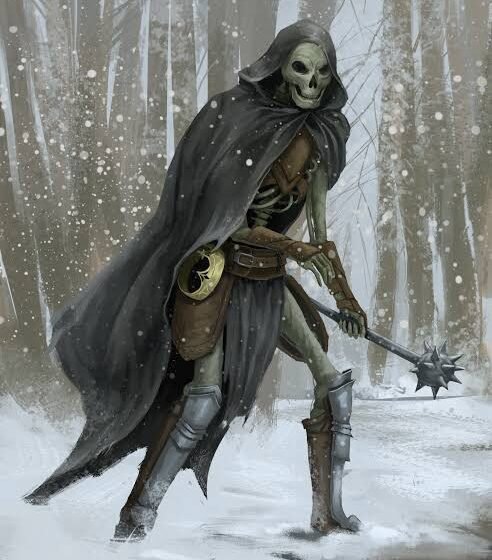

Skeleton art has fascinated artists, designers, and audiences for centuries. Bones may seem like a dark or unusual subject, but they offer endless creative possibilities. From traditional anatomical drawings to modern digital illustrations, skeleton art can represent life, death, transformation, mystery, humor, and even celebration.
Today, skeleton-inspired artwork appears in paintings, tattoos, posters, clothing designs, digital illustrations, sculptures, and decorative pieces. Artists often use the human skeleton because its recognizable shape allows them to communicate strong ideas without relying on complicated imagery.
This guide explores the history, styles, symbolism, and creative possibilities of skeleton art while explaining why this distinctive subject continues to attract attention.
What Is Skeleton Art?
Skeleton art is artwork that features human or animal bones as its main subject or as an important visual element. It can be realistic, abstract, cartoon-like, gothic, surreal, or highly decorative.
Some artists focus on anatomical accuracy, carefully showing individual bones and joints. Others use skeletons as symbolic characters or imaginative figures. The style depends heavily on the artist’s purpose and the intended audience.
Skeleton artwork can be created using many different mediums, including pencil, charcoal, ink, acrylic paint, oil paint, watercolor, photography, sculpture, and digital software.
Why Is Skeleton Art So Popular?
One reason skeleton art remains popular is its powerful visual identity. A skeleton can be recognized immediately, even when it is drawn in a highly stylized way.
The subject also creates a natural contrast between something familiar and something mysterious. People understand that a skeleton represents the human body, yet its connection with mortality gives the image an unusual emotional quality.
Modern artists have expanded this idea by combining skeletons with flowers, animals, landscapes, clothing, architecture, and fantasy elements. This allows the same basic subject to produce completely different moods.
The Symbolism Behind Skeleton Art
Skeleton imagery has been associated with several ideas throughout history. The most common is mortality. Because bones remain after the body has disappeared, they can represent the temporary nature of human life.
However, skeletons do not always have a negative meaning.
They can symbolize transformation, resilience, equality, mystery, remembrance, or acceptance. In contemporary artwork, a skeleton may even represent humor and playfulness.
The meaning often depends on the surrounding imagery. A skeleton holding flowers may suggest the relationship between life and death, while a dancing skeleton can create a humorous or celebratory atmosphere.
Traditional Skeleton Drawings
Traditional anatomical drawings are among the oldest forms of skeleton art. Artists and students have used skeletal studies to understand the structure and movement of the human body.
These drawings usually focus on accuracy rather than decoration. Individual bones are carefully observed, proportioned, and connected to create a convincing representation of the skeleton.
Anatomical skeleton drawings remain useful for artists who want to improve figure drawing. Understanding the skeleton helps an artist create more realistic poses because the body’s underlying structure determines how the muscles and skin move.
Gothic Skeleton Art
Gothic skeleton art is one of the most recognizable modern styles. It often combines skeletal figures with dark backgrounds, candles, old buildings, roses, crosses, ravens, or other atmospheric elements.
The style commonly uses strong contrast and dramatic composition. Black, gray, deep red, and muted tones are frequently associated with gothic artwork.
Gothic skeleton illustrations are particularly popular for posters, album artwork, tattoos, clothing graphics, and alternative fashion designs.
Cute and Cartoon Skeleton Art
Not all skeleton art needs to be frightening. Cartoon artists often turn skeletons into funny or friendly characters.
Large eyes, exaggerated movements, colorful clothing, and playful poses can completely change the mood of a skeletal figure. This approach is especially common in children’s illustrations, Halloween decorations, stickers, animations, and digital artwork.
The contrast between a normally frightening subject and a cheerful character can make cartoon skeleton art memorable.
Skeleton Art in Tattoo Design
Skeleton imagery has become a popular choice for tattoo designs. Artists can create extremely detailed anatomical pieces or simplified symbolic designs.
A skull and skeleton combination may represent mortality, while a skeleton riding a motorcycle can communicate freedom, rebellion, or adventure.
Other popular combinations include skeletons with roses, snakes, clocks, animals, weapons, flames, and religious symbols.
Because bones have recognizable shapes, skeleton designs can work well in both large and small tattoo compositions.
Skeleton Art and Halloween
Halloween has played a major role in popularizing skeleton artwork. Skeletons are instantly associated with spooky themes, making them a natural choice for seasonal decorations.
Common Halloween skeleton artwork includes dancing skeletons, skeleton portraits, skeletal animals, haunted scenes, and humorous skeleton characters.
Artists can make these designs frightening or entertaining depending on the colors, expressions, lighting, and surrounding elements.
Digital Skeleton Art
Digital tools have opened up new possibilities for skeleton artists. Modern illustration software allows artists to experiment with layers, textures, lighting, colors, and complex backgrounds without permanently changing the original artwork.
Digital skeleton illustrations are widely used for social media graphics, gaming artwork, posters, websites, merchandise, and concept art.
Artists can also combine realistic anatomy with fantasy elements to create creatures that could not exist in the real world.
Skeleton Art in Surrealism
Surreal skeleton art combines recognizable bones with unexpected environments or objects.
For example, an artist might place a skeleton inside a dreamlike landscape, give it wings, surround it with floating objects, or combine its body with plants.
This approach focuses less on anatomical accuracy and more on imagination. The skeleton becomes a visual tool for exploring ideas about identity, memory, dreams, and transformation.
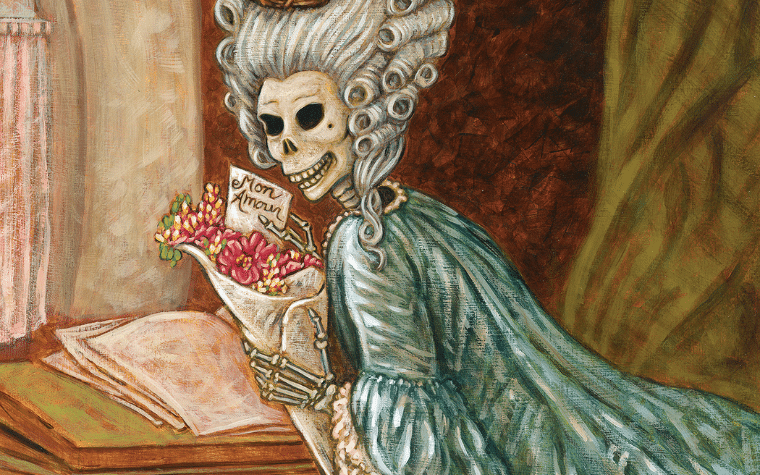
How to Create Skeleton Art
Creating skeleton artwork does not require advanced equipment. Beginners can start with a pencil and paper.
Begin by studying the basic structure of the skull, spine, rib cage, pelvis, arms, and legs. Instead of trying to draw every small bone immediately, focus on proportions and major shapes.
Once the basic structure is accurate, add details such as joints, surface texture, cracks, shadows, and highlights.
Artists working digitally can follow the same process by creating separate layers for the skeleton, background, lighting, and decorative elements.
Choosing the Right Skeleton Art Style
The best style depends on the purpose of the artwork.
For learning anatomy, realistic drawings are usually the most useful. For posters and tattoos, detailed gothic or illustrative styles can create a stronger visual impact. Cartoon skeletons are better suited to humorous or family-friendly projects.
If you are creating decorative artwork for a modern interior, a minimalist skeleton illustration with clean lines can look more sophisticated than an extremely detailed design.
Skeleton Art and Modern Interior Design
Skeleton artwork can also work as wall decoration. Black-and-white anatomical prints, minimalist bone illustrations, and vintage medical drawings can complement contemporary interiors.
For a premium appearance, choose artwork with a simple frame and limited colors. A large monochrome skeleton print can create a dramatic focal point without making the room feel overly busy.
The final effect depends on the size of the artwork, frame style, wall color, and surrounding furniture.
Famous Themes in Skeleton Art
Certain themes appear repeatedly because they create an immediate visual connection with the viewer.
Popular examples include skeletons and roses, skulls and flowers, dancing skeletons, anatomical studies, skeletal animals, skeleton warriors, skeleton musicians, and fantasy skeleton characters.
These themes can be interpreted in many different ways. The artist’s composition, color choices, and surrounding symbols determine the final message.
The Future of Skeleton Art
Skeleton art continues to evolve as new creative technologies become available. Digital illustration, 3D modeling, animation, and interactive media have given artists new ways to explore anatomy and mortality.
Artificial intelligence and advanced digital tools are also influencing visual experimentation, although traditional drawing and painting remain important for artists who want to develop their own skills and visual style.
The subject itself is unlikely to disappear. The human skeleton is universal, recognizable, and filled with symbolic possibilities.
Final Thoughts on Skeleton Art
Skeleton art is much more than an image of bones. It can communicate mortality, humor, mystery, transformation, beauty, or artistic curiosity.
From realistic anatomical studies to gothic illustrations and colorful cartoon characters, the subject can be adapted to almost any creative style.
Whether you are an artist looking for inspiration, a collector searching for unique wall decor, or simply interested in the symbolism behind skeletal imagery, skeleton art offers an enormous range of creative possibilities.
Frequently Asked Questions
What does a skeleton symbolize in artwork?
A skeleton can symbolize mortality, transformation, remembrance, mystery, equality, or the temporary nature of life.
Why are bones commonly used in creative designs?
Bones have recognizable shapes and strong symbolic meaning, making them useful for expressing ideas about life, death, identity, and change.
Is this type of artwork always frightening?
No. It can be humorous, elegant, colorful, educational, minimalist, or even cute, depending on the artist’s style.
What materials are commonly used for anatomical drawings?
Pencils, charcoal, ink, watercolor, acrylic paint, oil paint, clay, and digital illustration software are all commonly used.
Can anatomical artwork be used as home decoration?
Yes. Monochrome illustrations, vintage medical prints, and minimalist designs can create an interesting focal point in modern interiors.
Why are gothic designs associated with bones?
Gothic aesthetics often explore themes such as mystery, mortality, darkness, and the passage of time, making skeletal imagery a natural visual element.