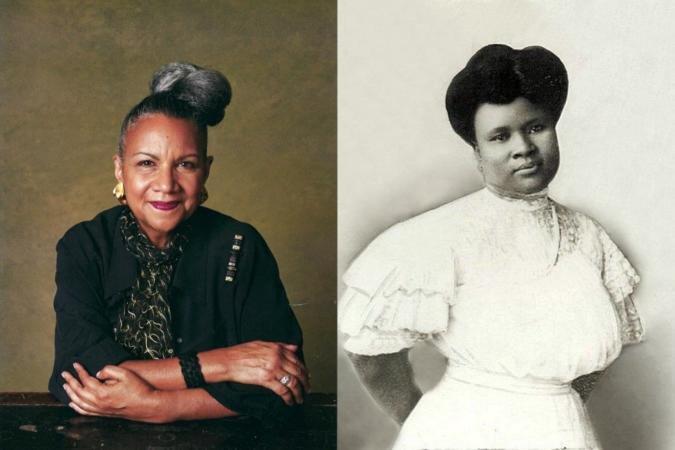

The story of Madam C.J. Walker is closely connected to the history of African American entrepreneurship, but her legacy did not end with her own achievements. Her daughter, A’Lelia Walker, became an important figure in her own right and played a notable role in the cultural life of Harlem during the 1920s.
When people search for madam cj walker daughter, they are often looking for information about A’Lelia Walker, including her family background, relationship with her mother, career, wealth, and connection to the Harlem Renaissance. Although A’Lelia inherited considerable wealth, she became particularly well known for supporting artists, writers, musicians, and other creative figures.
Her life offers an interesting look at the intersection of business success, family legacy, wealth, and African American cultural history.
Who Was Madam CJ Walker’s Daughter?
Madam C.J. Walker’s daughter was A’Lelia Walker, born Lelia McWilliams in 1885. She was the only surviving child of Madam C.J. Walker and became an important social and cultural figure.
A’Lelia grew up during a period when opportunities for African Americans were heavily restricted by discrimination and segregation. Her mother’s extraordinary business success provided the family with financial security that was unusual for an African American family at the time.
Rather than remaining completely outside public life, A’Lelia became closely involved with Harlem’s artistic and social circles.
Who Was madam cj walker daughter?
Madam C.J. Walker, born Sarah Breedlove, became one of the most successful African American businesswomen of the early twentieth century.
She developed a successful line of hair-care and beauty products for Black women and created a large network of sales agents. Her business gave many African American women opportunities to earn income and develop their own careers.
Her success allowed her to support philanthropic and community causes while also providing her daughter with a privileged upbringing.
The National Park Service recognizes Walker as an influential entrepreneur, philanthropist, and activist whose business became an important example of African American economic achievement.
A’Lelia Walker’s Childhood and Family
A’Lelia was born to Sarah Breedlove and Moses McWilliams. Her father died when she was very young, and she was raised primarily by her mother.
As Madam Walker’s business expanded, the family’s financial circumstances changed dramatically.
A’Lelia eventually attended Knoxville College in Tennessee, giving her an educational background that helped prepare her for a very different life from the one her mother had experienced.
Her upbringing combined education, business exposure, travel, and access to influential social circles.
Her Relationship With Her Mother
The relationship between Madam C.J. Walker and her daughter was important to both women’s lives.
Madam Walker was deeply invested in building her business and improving opportunities for African Americans. A’Lelia benefited from that work and eventually became involved with the family business.
Their relationship was also connected to Harlem. A’Lelia encouraged her mother to establish a presence there, and the family eventually became closely associated with the neighborhood.
The Walker family’s Harlem residence later became an important gathering place for members of the African American creative community.
A’Lelia Walker and the Harlem Renaissance
A’Lelia Walker is particularly remembered for her connection to the Harlem Renaissance, the extraordinary period of African American artistic and intellectual development during the 1920s.
Harlem became a center for literature, music, theater, visual art, politics, and social activity. Writers and artists found new audiences, while Black intellectuals debated questions of identity, race, culture, and the future of African Americans.
A’Lelia became one of the prominent social figures within this environment.
She hosted parties and gatherings attended by artists, writers, musicians, performers, and intellectuals. Her wealth gave her the ability to provide hospitality and financial support to people involved in the arts.
Why Was A’Lelia Walker Famous?
A’Lelia was famous for more than being the daughter of a wealthy entrepreneur.
She became known for her sophisticated lifestyle, social connections, generosity, and enthusiasm for the arts.
Her parties became legendary within Harlem’s cultural community. She created environments where people could socialize, exchange ideas, celebrate artistic achievement, and build relationships.
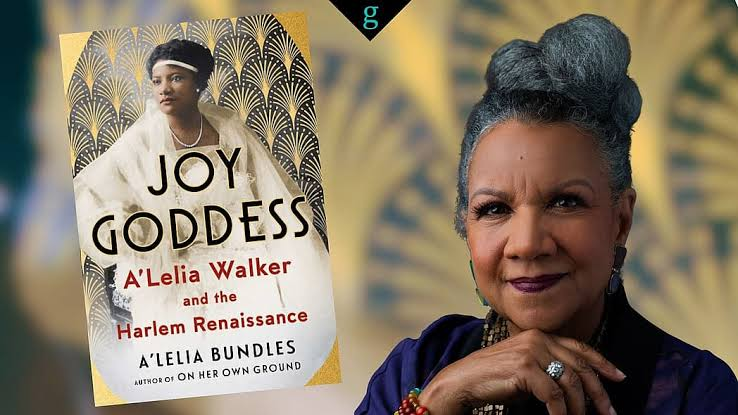
Her social influence was so strong that writer Langston Hughes famously referred to her as the “joy goddess of Harlem.”
The description reflected her reputation as someone who brought energy and celebration to Harlem’s artistic world.
Her Role as an Arts Patron
A’Lelia Walker was an important patron of African American artists and writers.
Patrons played a major role during the Harlem Renaissance because creative people often needed financial assistance, venues, audiences, and connections.
A’Lelia used her resources to support cultural activities and provide spaces where artists could meet.
Her contribution illustrates an important part of cultural history: major artistic movements depend not only on creators but also on the people who provide support and opportunities.
The Walker Home in Harlem
The Walker family’s presence in Harlem became culturally significant.
Madam Walker established a residence and business-related facilities in Harlem, including space connected with her beauty enterprise.
The location became part of the social network surrounding the Harlem Renaissance.
A’Lelia later continued to use her home and other spaces for gatherings, strengthening the family’s connection with Harlem’s artists and intellectuals.
The Dark Tower
A’Lelia Walker was also associated with the Dark Tower, a Harlem gathering place connected with literary and artistic activity.
The name became part of the mythology surrounding the Harlem Renaissance because such spaces allowed creative people to meet outside formal institutions.
The Dark Tower represented the type of environment in which writers, artists, and intellectuals could interact socially and professionally.
These informal networks were important to the development of Harlem’s cultural movement.
A’Lelia Walker’s Friends and Social Circle
A’Lelia’s social circle included many important figures from the Harlem Renaissance.
The period featured major personalities such as Langston Hughes, Zora Neale Hurston, Duke Ellington, and other writers, musicians, artists, and performers.
Not every famous person associated with Harlem was necessarily a close personal friend of A’Lelia, but her gatherings were part of the wider social environment in which many creative figures interacted.
Her ability to connect people helped strengthen her reputation as one of Harlem’s leading cultural hosts.
Did A’Lelia Walker Continue Her Mother’s Business?
A’Lelia was connected to her mother’s business interests, but her historical identity developed in a different direction.
Madam Walker’s greatest achievement was building a major beauty-products company and creating economic opportunities for African American women.
A’Lelia became more closely identified with culture, entertainment, patronage, and social life.
In that sense, the two women contributed to different areas of African American history. Madam Walker represented entrepreneurial achievement, while A’Lelia became an important patron of cultural creativity.
A’Lelia Walker’s Wealth
A’Lelia inherited substantial wealth following her mother’s death in 1919.
That wealth allowed her to maintain an elegant lifestyle and support artistic and social activities.
However, estimates of her personal wealth vary depending on the source and how inherited assets, property, and business interests are calculated.
It is therefore better to focus on her documented role as a wealthy patron rather than relying on uncertain modern estimates of her net worth.
Her Influence on Black Culture
A’Lelia’s importance goes beyond parties and luxury.
Her life represents the emergence of an African American cultural elite during the early twentieth century.
The Harlem Renaissance created opportunities for Black writers, musicians, painters, performers, and intellectuals to challenge stereotypes and develop new forms of cultural expression.
A’Lelia helped create a social environment where that creativity could be celebrated.
Her gatherings were spaces where Black achievement could be recognized and enjoyed.
A’Lelia Walker’s Death
A’Lelia Walker died in 1931 at the age of 46.
Her death was widely felt within Harlem’s cultural community.
Thousands of people attended events connected with her funeral and memorial activities, reflecting the extraordinary social and cultural connections she had developed during her lifetime.
Her death also marked the end of an important chapter in the social history of the Harlem Renaissance.
How Madam C.J. Walker’s Daughter Is Remembered Today
Today, A’Lelia Walker is remembered as much more than the daughter of a famous entrepreneur.
Her story is important because she helped connect wealth, business, art, and culture during one of the most significant periods in African American history.
Books, museum exhibitions, historical programs, and academic research have continued to examine her life and influence.
Her story also helps broaden the understanding of the Harlem Renaissance. The movement was not created solely by famous authors and musicians. Patrons, hosts, entrepreneurs, organizers, and community leaders also helped create the environment in which creativity could flourish.
The Lasting Legacy of Madam CJ Walker Daughter
The story of Madam C.J. Walker’s daughter is ultimately a story of two different but connected legacies.
Madam Walker demonstrated how entrepreneurship could create economic independence and opportunities for African American women. A’Lelia used the wealth and social position created by that success to become a major supporter of cultural life.
Together, their stories demonstrate how economic success can influence culture across generations.
A’Lelia Walker remains an important historical figure because she helped create spaces where Black creativity, friendship, and intellectual life could thrive.
Her connection to the Harlem Renaissance ensures that her name continues to appear in discussions about African American art, literature, music, and social history.
Frequently Asked Questions
What was Madam C.J. Walker’s daughter’s name?
Her daughter was A’Lelia Walker, who became a prominent social figure and patron of the arts during the Harlem Renaissance.
When was A’Lelia Walker born?
She was born in 1885 and was the only surviving child of Madam C.J. Walker.
What was A’Lelia Walker known for?
She was known for her support of artists, writers, and musicians, as well as for hosting influential gatherings in Harlem.
Was A’Lelia Walker involved in the Harlem Renaissance?
Yes. She became an important social and cultural figure connected with the Harlem Renaissance and supported members of its creative community.
Who was A’Lelia Walker’s mother?
Her mother was Madam C.J. Walker, the pioneering African American entrepreneur and philanthropist who built a successful beauty-products business.
When did A’Lelia Walker die?
A’Lelia Walker died in 1931 at the age of 46.
Why is A’Lelia Walker historically important?
She helped support and connect African American artists, writers, musicians, and intellectuals during a major period of cultural development in Harlem.