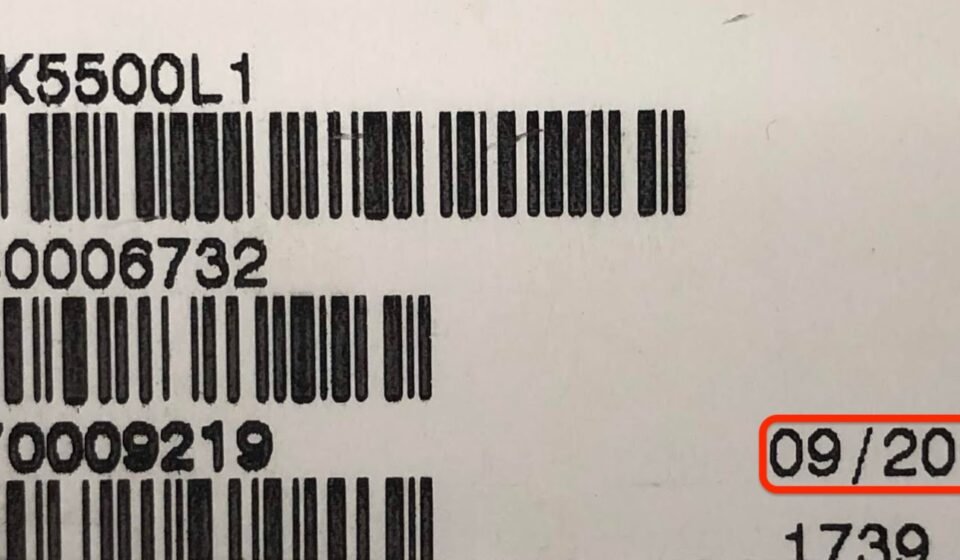

What Is an Expiration Date Code Converter?
An expiration date code converter is a tool or reference guide that helps people understand dates printed on product packaging. These dates may appear as numbers, letters, manufacturing codes, Julian dates, or other formats that are not immediately recognizable.
Many manufacturers use different systems to identify when a product was manufactured, packaged, or expected to expire. As a result, consumers may find it difficult to determine the actual date by looking at a short code on a bottle, box, can, or container.
An expiration date code converter can help interpret certain date formats and make product information easier to understand. Depending on the coding system, it may convert a numerical sequence into a calendar date or help identify a possible manufacturing date.
However, not every product code represents an expiration date. Some codes identify production batches, factory locations, product versions, or internal manufacturing information. The correct interpretation depends on the manufacturer and the product category.
Before relying on a converted date, check the product label and any official information supplied by the manufacturer.
Why Do Products Use Expiration Date Code converter?
Manufacturers use product codes for several reasons, including inventory management, quality control, production tracking, and consumer information.
A printed code may help a manufacturer identify when a particular batch was produced or where it was packaged. If a quality issue occurs, these details can make it easier to trace affected products.
Date labels also help consumers understand when a product should be used or when its quality may decline. However, the meaning of a date varies by product type and local regulations.
For example, food packaging may display a best-before date or a use-by date. Cosmetics may include a period-after-opening symbol, while medicines can carry an explicit expiration date.
A code converter is useful only when the code follows a recognizable format or when reliable manufacturer information is available. Guessing the meaning of an unfamiliar code can lead to incorrect conclusions.
How Does an Expiration Date Code Converter Work?
An expiration date code converter works by interpreting a date format according to a known coding system. Some codes can be converted using straightforward calendar calculations, while others require product-specific information.
For example, a product may display a date as MMDDYYYY, meaning month, day, and year. A code such as 10252027 would represent October 25, 2027, if the manufacturer confirms that format.
Other products use year-and-day-of-year codes. In these systems, the first digits may identify the year, while the remaining digits represent the day number within that year.
Some manufacturers also use proprietary codes that cannot be reliably decoded without official documentation.
A typical conversion process involves the following steps:
- Locate the code printed on the packaging.
- Identify the product manufacturer and category.
- Check whether the code follows a known date format.
- Use an appropriate converter or official reference.
- Compare the result with any printed expiration or best-before date.
- Contact the manufacturer if the code remains unclear.
The most important step is identifying the correct coding system before interpreting the numbers.
Common Expiration Date Code Formats
Different manufacturers use different formats to communicate production and date information. Understanding the most common systems can make an expiration date code converter easier to use.
MM/DD/YYYY format
This format displays the month, day, and year. For example, 04/18/2027 means April 18, 2027, when the label uses the US month-first convention.
DD/MM/YYYY format
This format places the day before the month. For example, 18/04/2027 also represents April 18, 2027. Confusing the two formats can lead to errors.
YYYY-MM-DD format
This internationally standardized date format places the year first, followed by the month and day. For example, 2027-04-18 means April 18, 2027.
Julian day codes
Some manufacturing systems use the day number within a calendar year. For example, day 001 represents January 1, while day 365 represents December 31 in a non-leap year.
Batch and lot codes
These codes may contain letters and numbers that identify a manufacturing batch. They do not necessarily contain a directly readable expiration date.
Always verify the format used by the specific manufacturer before converting a code.
How to Convert a Julian Date Code
Julian date codes are common in certain manufacturing and inventory systems. A day-of-year code identifies a date by counting the days from the beginning of the calendar year.
For example, day 032 in a non-leap year corresponds to February 1. Day 100 corresponds to April 10 in a non-leap year.
The calculation changes in a leap year because February contains 29 days. Therefore, the year must be identified before converting a day-of-year code.
Consider a hypothetical code containing the year 2027 and day number 100. If the manufacturer uses a year-plus-day-of-year format, the corresponding date would be April 10, 2027.
This example applies only when the code structure is confirmed. Some manufacturers use different digit arrangements, and a code that resembles a Julian date may instead represent a batch number.
An expiration date code converter can simplify this calculation, but the format should always be verified before using the result to make decisions about food, medicine, or other products.
Expiration Date vs. Manufacturing Date
One of the most important distinctions when decoding product information is the difference between a manufacturing date and an expiration date.
A manufacturing date indicates when a product was made or produced. An expiration date indicates the end of a specified period of validity or usability, depending on the product and applicable rules.
These dates are not interchangeable.
For example, a cosmetic product manufactured in January may have a recommended shelf life of several years before opening. However, its period after opening may be shorter once the container is used.
Similarly, a food product may display a production date and a separate best-before date. Knowing when it was manufactured does not automatically establish when it expires.
Some products have a shelf life determined by the manufacturer, but that period should not be assumed without reliable documentation.
If the packaging displays an explicit expiration date, use that information rather than attempting to derive a different date from an unrelated batch code.
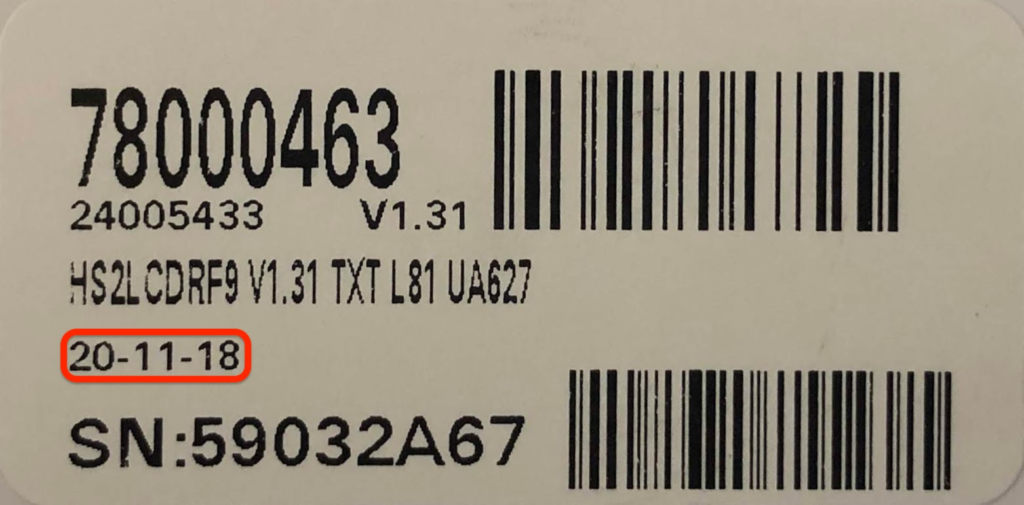
How to Check Expiration Codes on Food Products
Food packaging may contain several different dates, and understanding their meanings is important for making informed decisions.
A best-before date generally concerns the period during which a product is expected to retain its intended quality under the stated storage conditions. A use-by date may relate to safety for certain perishable foods, depending on the jurisdiction and product.
The exact meaning of these labels varies by country and product category. Consumers should follow the instructions printed on the packaging and applicable local food-safety guidance.
To interpret a food date code, first look for a clearly printed date near the barcode, lid, seal, or package edge. Then check whether the label identifies it as a production date, best-before date, or use-by date.
If the packaging contains only a batch code, consult the manufacturer’s website or customer support for clarification.
Do not rely solely on smell, appearance, or a code-conversion estimate to determine whether a potentially unsafe food is suitable for consumption. Improper storage can also affect food safety.
How to Decode Expiration Codes on Cosmetics
Cosmetic products can use several labeling systems, including manufacturing codes, batch numbers, explicit expiration dates, and period-after-opening symbols.
The open-jar symbol commonly indicates how long a product is intended to be used after opening. For example, a symbol marked 12M generally indicates a period of 12 months after the product is opened, where that labeling convention applies.
This is different from a manufacturing date. A product could have been manufactured many months before the container was opened.
To interpret a cosmetic code, identify the brand, locate the batch number, and check the manufacturer’s official guidance. Some brands provide batch-code lookup tools, while others require customers to contact their support teams.
Storage conditions also matter. Heat, sunlight, humidity, and contamination may affect a cosmetic product’s condition.
An expiration date code converter may help with recognizable date formats, but a batch-code lookup should not be treated as universally accurate across every cosmetic brand.
How to Check Expiration Dates on Medicines
Medicine expiration dates require particular care because the product’s effectiveness and quality can be affected by storage conditions and time.
Prescription and over-the-counter medicines may display an explicit expiration date converter on the packaging, bottle, blister pack, or label. The location and format vary by product and manufacturer.
A batch or lot number is not necessarily an expiration date. If the date is missing, damaged, or unclear, contact a pharmacist or the manufacturer rather than guessing.
Do not use a general expiration date code converter as the sole basis for deciding whether a medicine is safe or effective. The correct date must be established using reliable product-specific information.
Some medicines also have special storage requirements or a shorter usable period after opening or preparation. Follow the package instructions and advice from a qualified healthcare professional.
When a medicine appears expired or its labeling cannot be verified, ask a pharmacist how to proceed.
Benefits of Using an Expiration Date Code Converter
An expiration date code converter can be helpful when product information is difficult to read or presented in an unfamiliar numerical format.
Saves time: A recognized code can sometimes be converted in seconds instead of requiring manual calculations.
Improves date interpretation: A converter can help users understand certain standardized formats.
Supports inventory management: Businesses may use date-conversion tools to organize stock and review products with approaching dates.
Helps with product research: Consumers can use official batch-code tools to request clarification about manufacturing information.
Reduces simple calculation errors: Converting a known day-of-year code manually can be confusing, especially around leap years.
However, these benefits depend on the accuracy of the input and the coding system. A converter cannot reliably identify every manufacturer’s proprietary code without the necessary reference information.
Common Mistakes When Using an Expiration Date Code Converter
Even when a code appears simple, several mistakes can produce an incorrect date.
The first mistake is assuming every numerical code represents an expiration date. Many products display manufacturing, batch, or inventory identifiers instead.
Another common error is confusing the month-first and day-first date formats. A sequence such as 03/08/2027 may mean March 8 or August 3, depending on the convention.
Users may also overlook leap years when converting day-of-year codes. This can produce the wrong calendar date if the calculation is based on the wrong year.
A further mistake is relying on unofficial websites without checking their limitations. Different brands may use completely different code structures, even when the codes look similar.
Finally, consumers should not assume that a calculated expiration date converter overrides an explicit date printed on the product label.
For accurate results, verify the manufacturer, product category, code format, and relevant instructions before interpreting the output.
Final Thoughts on the Expiration Date Code Converter
An expiration date code converter can make unfamiliar product dates easier to understand. It is particularly useful for recognizable formats, such as standard calendar dates and confirmed day-of-year codes.
However, there is no universal system that decodes every product code. Manufacturers may use different methods for foods, cosmetics, medicines, and household products.
The most reliable approach is to identify the product and manufacturer first, check the printed label, and use an official code lookup or trusted reference whenever necessary.
For important decisions involving food safety, medicine, or product quality, do not rely on an unverified conversion alone.
By understanding the difference between manufacturing dates, expiration dates, and batch codes, consumers can interpret product information more accurately and make better-informed decisions.
Frequently Asked Questions About Expiration Date Code Converters
What is an expiration date code converter?
It is a tool or reference that helps interpret recognizable date codes on product packaging. Its accuracy depends on the coding system and the information provided by the manufacturer.
Can I decode any product expiration code online?
No. Some codes use standard date formats, while others are proprietary batch or manufacturing identifiers. The latter may require official manufacturer information.
How do I read a Julian date code?
If the manufacturer uses a year-plus-day-of-year format, identify the year and count the specified number of days from January 1. Check whether the year is a leap year before calculating the result.
Are manufacturing dates and expiration dates the same?
No. A manufacturing date identifies when a product was made, while an expiration date converter identifies the end of a specified period of validity or usability.
Can I use an expiration date code converter for medicine?
A converter may help interpret a confirmed date format, but it should not replace the explicit expiration date, official product information, or advice from a pharmacist.
Where can I find a reliable expiration date code converter lookup?
Start with the manufacturer’s official website or customer support. Some brands provide dedicated batch-code lookup tools or product-specific instructions.