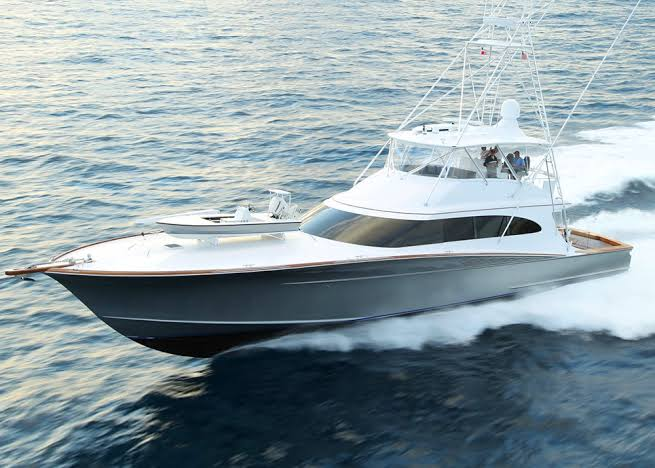

A deep sea fishing boat is designed to take anglers far from shore and provide a stable, safe platform for offshore fishing. Unlike small coastal fishing boats, deep sea vessels are built to handle longer journeys, changing ocean conditions, powerful fish, and larger amounts of fishing equipment.
Choosing the right boat depends on the type of fishing you plan to do, the number of passengers, the distance you will travel offshore, and the species you want to target.
What Is a Deep Sea Fishing Boat?
A deep sea fishing boat is a vessel specifically suited for fishing in offshore waters where conditions can be more challenging than those found close to shore. These boats generally have stronger hulls, larger fuel capacity, reliable navigation equipment, and specialized fishing features.
Some are designed for private recreational fishing, while others are commercial charter boats that take groups of anglers offshore.
The best deep sea fishing boat provides a combination of stability, safety, comfort, storage, and fishing functionality.
Main Types of Deep Sea Fishing Boats
There are several types of boats suitable for offshore fishing. Each design has advantages depending on how and where you fish.
Center Console Boats
Center console boats are popular among recreational anglers because they provide plenty of open deck space. The steering station is positioned near the middle of the boat, allowing anglers to move around the vessel when fighting a fish.
They are particularly useful for:
- Trolling
- Live bait fishing
- Jigging
- Mahi-mahi fishing
- Tuna fishing
- General offshore fishing
Larger center consoles can be equipped with powerful outboard engines and advanced navigation systems.
Sportfishing Boats
Sportfishing boats are built specifically for serious offshore anglers. They often feature larger cabins, powerful engines, spacious cockpits, fighting chairs, fish boxes, and extensive electronics.
These boats are commonly used for targeting large species such as marlin, tuna, sailfish, and swordfish.
Convertible Boats
Convertible boats combine comfortable accommodation with serious offshore fishing capabilities. They typically feature an enclosed cabin, sleeping areas, a galley, and a large fishing cockpit.
They are suitable for anglers planning longer offshore trips or multi-day fishing expeditions.
Walkaround Boats
Walkaround boats provide a compromise between fishing space and cabin protection. The cabin offers shelter from wind and weather while anglers can still move around the sides of the boat.
They can be a practical choice for smaller offshore fishing trips.
Catamaran Fishing Boats
Catamarans have two hulls instead of one. This design can provide excellent stability and a wide deck area.
Modern offshore fishing catamarans are increasingly popular among anglers who value stability, space, and fuel efficiency.
Important Features of a Deep Sea Fishing Boat
Not every offshore boat is equally suitable for serious fishing. Several features deserve careful attention before purchasing or booking one.
Strong Hull Design
The hull is one of the most important components of an offshore fishing boat. A strong hull helps the vessel handle waves and changing ocean conditions.
Common hull designs include deep-V, modified-V, and multi-hull configurations. A deep-V hull is particularly common on offshore boats because it can provide a smoother ride in rougher water.
Reliable Engines
Offshore fishing often takes place many miles from land, making engine reliability extremely important.
Many modern fishing boats use powerful outboard engines, while larger vessels may use inboard diesel engines. The correct choice depends on the size and design of the boat.
Regular maintenance is essential regardless of engine type.
Fuel Capacity
A deep sea fishing boat needs enough fuel for the entire journey, including travel to the fishing grounds, time spent fishing, and the return trip.
Fuel requirements increase with distance, boat size, engine power, sea conditions, and speed. A responsible offshore trip should always include an appropriate fuel reserve.
Navigation Electronics
Modern offshore boats can be equipped with sophisticated electronics, including:
- GPS
- Marine radar
- Fish finders
- Depth sounders
- Digital charts
- Autopilot systems
- VHF radios
These technologies can make navigation and fish finding more efficient, but they should complement rather than replace good seamanship.
Fishing Equipment on Offshore Boats
A good deep sea fishing boat usually provides dedicated space for fishing equipment.
Rod Holders
Multiple rod holders allow anglers to keep several fishing setups ready at once. Trolling boats may have specialized holders positioned around the stern and sides.
Fish Boxes
Large insulated fish boxes provide space for storing a legal catch during the trip. On larger boats, built-in fish boxes can hold substantial amounts of ice and fish.
Live Wells
Live wells are useful when fishing with live bait. They circulate oxygenated seawater to keep baitfish alive and active.
Tackle Storage
Offshore fishing requires considerable tackle. Organized storage helps keep hooks, lures, leaders, tools, and other equipment accessible without cluttering the deck.
How Big Should a Deep Sea Fishing Boat Be?
There is no universal ideal size. The right boat depends on the type of fishing and how far offshore you plan to travel.
A smaller boat may be suitable for relatively short offshore trips when weather conditions are favorable. Larger boats are generally more appropriate for longer journeys, larger groups, and challenging offshore conditions.
Instead of focusing only on length, consider the boat’s hull design, stability, range, equipment, condition, safety systems, and intended operating area.
Deep Sea Fishing Boat Safety
Safety should be the highest priority when selecting an offshore fishing boat.
A suitable vessel should carry appropriate safety equipment, including:
- Life jackets
- Emergency signaling equipment
- Fire extinguishers
- First-aid supplies
- VHF communication equipment
- Navigation lights
- Emergency flotation equipment
- Adequate bilge pumps
- Reliable navigation equipment
Before departing, the captain should check weather conditions, fuel levels, communications equipment, and essential safety systems.
Boat Size and Passenger Capacity
The number of anglers affects the ideal boat size. Too many passengers can make the fishing deck crowded and may affect comfort and safety.
If you are booking a charter, ask about the maximum passenger capacity and how much fishing space each person will have.
For private trips, think about how many people regularly fish with you rather than choosing a boat based solely on its maximum capacity.
Deep Sea Fishing Boat vs. Coastal Fishing Boat
A coastal fishing boat is generally designed for shorter trips closer to land. A deep sea fishing boat is built with offshore travel in mind.
| Feature | Coastal Fishing Boat | Deep Sea Fishing Boat |
|---|---|---|
| Operating area | Near shore | Offshore |
| Fuel capacity | Usually smaller | Generally larger |
| Weather capability | Limited | Designed for offshore conditions |
| Storage | Moderate | Larger |
| Navigation equipment | Basic to advanced | Usually more extensive |
| Cabin | Optional | Common on larger vessels |
| Fishing range | Shorter | Longer |
The distinction is not determined by boat length alone. A vessel’s design and intended operating environment are more important.
Best Engine Options for Offshore Fishing
Outboard engines are widely used because they provide strong performance and are relatively easy to service. Twin or multiple outboard setups can also provide redundancy, which can be valuable offshore.
Inboard diesel engines are common on larger sportfishing and convertible boats. They can offer long-range performance and are well suited to larger vessels.
Whatever engine configuration is selected, routine inspections and maintenance are essential.
How Much Does a Deep Sea Fishing Boat Cost?
The price of a deep sea fishing boat can vary dramatically. A relatively small used offshore-capable boat may cost far less than a large custom sportfishing vessel.
Factors affecting price include:
- Boat length
- Hull design
- Engine type
- Engine hours
- Age
- Electronics
- Fishing equipment
- Cabin and accommodation
- Maintenance history
- Brand and model
- Condition
Remember that the purchase price is only part of the cost. Insurance, fuel, maintenance, storage, repairs, electronics, fishing equipment, and registration can add significantly to long-term ownership expenses.
Buying a Deep Sea Fishing Boat
Before buying, decide exactly how you intend to use the boat.
Ask yourself:
- How far offshore will I normally travel?
- How many people will fish with me?
- Which species do I want to target?
- Will I take overnight trips?
- What weather conditions will I normally encounter?
- How much storage do I need?
- What is my total ownership budget?
A professional marine survey can also be valuable when purchasing a used vessel. It can help identify structural, mechanical, electrical, and safety problems that may not be obvious during a casual inspection.
Maintaining a Deep Sea Fishing Boat
Offshore boats require consistent maintenance because saltwater is harsh on engines, electronics, metal components, and electrical systems.
After fishing in saltwater, rinse the boat and relevant equipment with fresh water. Follow the manufacturer’s recommendations for engine servicing and corrosion protection.
Regularly inspect:
- Engines
- Batteries
- Fuel systems
- Bilge pumps
- Steering systems
- Navigation equipment
- Safety equipment
- Hull and fittings
- Fishing hardware
Preventive maintenance can help reduce unexpected problems during offshore trips.
Tips for Choosing the Right Boat
If you are searching for a deep sea fishing boat, keep these points in mind:
Prioritize Safety
A beautiful boat with expensive electronics is not useful if its basic safety systems are neglected.
Match the Boat to Your Fishing Style
A boat designed for trolling large game fish may not be ideal for every type of fishing. Consider how you actually plan to fish.
Think About Range
If you plan to travel long distances offshore, fuel capacity and overall range become particularly important.
Consider Comfort
Long fishing days are much more enjoyable when there is adequate seating, shade, ventilation, storage, and cabin space.
Inspect Used Boats Carefully
A lower purchase price can become expensive if the boat requires major repairs. Check maintenance records and consider a professional inspection.
Final Thoughts
A deep sea fishing boat is more than a platform for catching fish. It is a combination of marine engineering, fishing equipment, navigation technology, and safety systems designed for the offshore environment.
The best boat depends on your fishing goals, budget, group size, travel distance, and preferred species. Whether you choose a center console, sportfishing boat, convertible, or catamaran, focus on reliability, seaworthiness, proper equipment, and maintenance.
With the right boat and responsible preparation, offshore fishing can provide memorable days on the water and opportunities to pursue some of the ocean’s most exciting game fish.
Frequently Asked Questions About Deep Sea Fishing Boats
What is a deep sea fishing boat?
A deep sea fishing boat is designed for offshore fishing in deeper ocean waters. It typically offers greater stability, fuel capacity, storage, navigation equipment, and fishing features than a standard coastal boat.
What size boat is best for deep sea fishing?
The ideal size depends on your fishing location, number of passengers, target species, and trip duration. Larger boats generally provide more comfort, range, storage, and offshore capability.
What type of boat is best for deep sea fishing?
Center consoles, sportfishing boats, convertibles, walkarounds, and catamarans can all be suitable. The best choice depends on your fishing style, budget, and offshore requirements.
How much does a deep sea fishing boat cost?
Prices vary significantly based on size, age, engine configuration, equipment, and condition. Used boats can be more affordable, while large fully equipped sportfishing boats can be considerably more expensive.
What engine is best for offshore fishing?
Reliable outboard engines are popular on many offshore fishing boats, while larger vessels often use inboard diesel engines. Reliability, range, maintenance, and available service should all be considered.
What equipment should a deep sea fishing boat have?
Important equipment can include GPS, marine radar, VHF radio, fish finder, depth sounder, rod holders, fish boxes, live wells, navigation lights, and appropriate emergency safety equipment.
Are deep sea fishing boats safe?
A properly maintained and appropriately equipped boat can be suitable for offshore fishing. Weather monitoring, safety equipment, reliable communication systems, and an experienced captain are particularly important.
Can beginners use a deep sea fishing boat?
Yes. Beginners can enjoy offshore fishing through guided charter trips or with experienced boat operators. A professional captain can provide instruction on equipment, fishing techniques, and safety procedures.