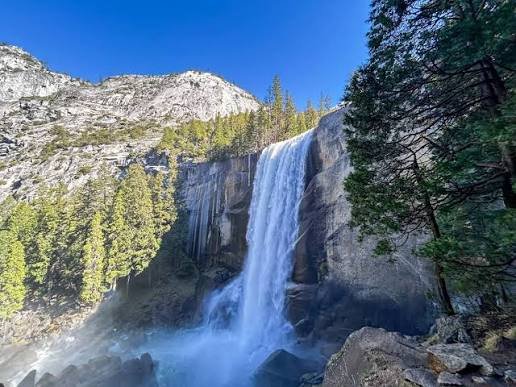

National Parks in California are among the most beautiful natural destinations in the United States. From towering mountains and ancient forests to colorful deserts and dramatic coastlines, California offers incredible landscapes for travelers of all ages. These parks provide opportunities for hiking, camping, wildli
fe watching, photography, and relaxing outdoor adventures.
Whether you are planning a family vacation, a weekend road trip, or a longer holiday, exploring National Parks in California can be an unforgettable experience. Each destination has unique attractions, scenic views, and outdoor activities. Some parks are famous for giant trees, while others feature impressive waterfalls, unusual rock formations, or peaceful beaches.
In this guide, you will discover ten amazing destinations, their top attractions, the best times to visit, and helpful travel tips.
1. Yosemite National Park
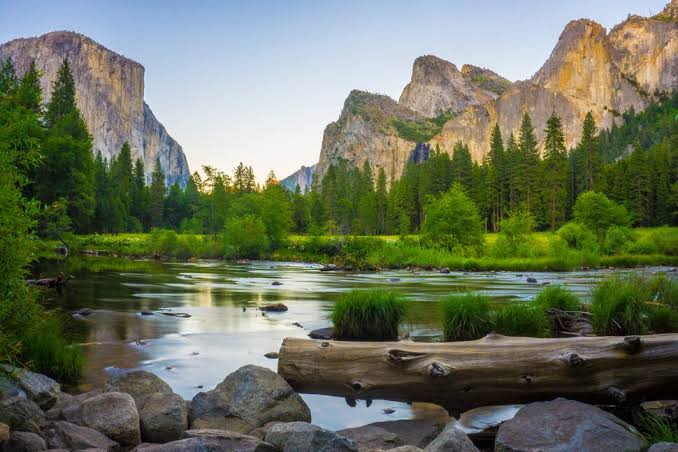
Yosemite National Park is one of the most famous national parks in california. Located in the Sierra Nevada mountains, it is known for its granite cliffs, beautiful waterfalls, green meadows, and impressive mountain scenery.
Yosemite Valley is the park’s main attraction. Visitors can admire El Capitan, a massive granite cliff popular with rock climbers, and Half Dome, one of the most recognizable natural landmarks in the region. Yosemite Falls is another highlight, especially during spring when melting snow increases the water flow.
Visitors can enjoy hiking, camping, photography, and scenic drives. Tunnel View is a popular viewpoint offering spectacular views of Yosemite Valley. The park also has trails suitable for beginners and experienced hikers.
Spring is an excellent time to see waterfalls, while summer provides access to many mountain trails. Because Yosemite attracts large crowds, it is best to plan your visit and accommodation in advance.
2. Sequoia National Park
Sequoia National Park is famous for its enormous giant sequoia trees. Located in the southern Sierra Nevada, the park offers beautiful forests, mountain scenery, and peaceful walking trails.
One of its biggest attractions is the General Sherman Tree, widely recognized as the largest living tree by volume. Seeing this enormous tree in person is an unforgettable experience for nature lovers.
Giant Forest is another popular destination, with walking paths that lead through groves of ancient sequoias. Visitors can also explore scenic viewpoints, enjoy picnics, and take photographs of the surrounding landscape.
Sequoia National Park is suitable for families, outdoor enthusiasts, and anyone interested in nature. Summer generally provides easier access to many areas, although weather and road conditions can change throughout the year. Visitors should check current conditions before traveling.
3. Kings Canyon National Park
Kings Canyon National Park features deep canyons, rugged mountains, beautiful rivers, and extensive forests. Located near Sequoia National Park, it is an excellent destination for travelers who want to explore more of California’s mountain wilderness.
The park’s dramatic canyon scenery attracts photographers and outdoor enthusiasts. Kings Canyon Scenic Byway provides access to impressive landscapes and several places where visitors can stop and enjoy the views.
Popular activities include hiking, camping, fishing where permitted, and wildlife observation. Grant Grove is another highlight, offering opportunities to see giant sequoia trees, including the famous General Grant Tree.
Summer is often the most convenient season for visiting many mountain areas. However, snow can close certain roads during winter. Checking seasonal access and trail information can help you plan a smoother trip.
4. Death Valley National Park
Death Valley National Park offers a completely different experience from California’s mountain and forest destinations. Its landscape includes salt flats, sand dunes, colorful hills, rocky canyons, and vast desert scenery.
Badwater Basin is one of the park’s most famous attractions. Located approximately 282 feet below sea level, it is the lowest point in North America. The unusual salt formations make it a popular location for photography.
Mesquite Flat Sand Dunes provide another memorable experience. Visitors can walk across the sand and enjoy beautiful views during sunrise or sunset. Artists Drive is also worth exploring because of its colorful mineral-rich hills.
Winter and early spring are generally more comfortable seasons for visiting Death Valley. Summer temperatures can become dangerously high, so visitors should avoid strenuous outdoor activities during extreme heat.
Carry plenty of drinking water, keep your vehicle fueled, and check weather alerts before starting your journey.
5. Joshua Tree National Park
Joshua Tree National Park is famous for its unusual desert plants, massive rock formations, and spectacular night skies. Located in Southern California, it is a popular destination for hiking, camping, rock climbing, and photography.
The park’s distinctive Joshua trees create a remarkable landscape. Their unusual branches and shapes look especially beautiful against the colorful desert sky at sunrise and sunset.
Popular attractions include Skull Rock, Hidden Valley, and Keys View. Keys View provides wide-ranging views of the surrounding desert and distant mountains on clear days.
Joshua Tree is also a favorite destination for stargazing because many areas have relatively dark skies. Visitors can enjoy scenic drives, short nature walks, and peaceful evenings outdoors.
Spring and autumn usually offer pleasant temperatures. During summer, the desert can become extremely hot, making early morning activities and careful hydration especially important.
6. Redwood National and State Parks
Redwood National and State Parks protect some of the tallest trees on Earth. Located along Northern California’s coast, these parks feature ancient forests, rivers, grasslands, and beautiful coastal scenery.
Walking among the redwoods is a memorable experience. The enormous trunks and high tree canopies create a peaceful atmosphere, making the area ideal for nature lovers and photographers.
Visitors can explore forest trails, enjoy scenic drives, observe wildlife, and discover quiet coastal viewpoints. Roosevelt elk may be seen in suitable habitats, although wildlife sightings are never guaranteed.
The region’s cool, damp climate supports the growth of coastal redwoods. Comfortable walking shoes and waterproof clothing can be useful, particularly during rainy weather.
Redwood National and State Parks are excellent for visitors who want to experience peaceful forests and explore California’s northern coastline.
7. Lassen Volcanic National Park
Lassen Volcanic National Park is known for its volcanic landscapes, steaming geothermal areas, mountain lakes, and forested trails. It provides a unique opportunity to explore geological features that differ from those found in many other National Parks in California.
Lassen Peak is one of the park’s main landmarks. Visitors can enjoy mountain views and explore hiking trails when conditions permit.
Bumpass Hell is a well-known geothermal area featuring steaming vents, bubbling mud pots, and colorful mineral deposits. Designated trails allow visitors to observe these unusual features while protecting the fragile environment.
The park also offers opportunities for camping, photography, and wildlife watching. Summer and early autumn are generally good times to explore many accessible areas.
Snow can affect roads and trails during colder months, so visitors should check official park updates before planning their visit.
8. Pinnacles National Park
Pinnacles National Park is famous for its dramatic rock formations, narrow canyons, and natural caves. Located in central California, it is an excellent destination for hikers and travelers interested in geology.
The park’s unusual rock formations were shaped by ancient volcanic activity and geological movement over millions of years. Today, the landscape offers striking views and interesting hiking opportunities.
Visitors can explore scenic trails, enjoy photography, and discover talus caves formed by fallen boulders. Cave access may vary depending on seasonal conditions and wildlife protection requirements.
Pinnacles is also known for California condors, large birds that can sometimes be seen flying above the cliffs.
Spring and autumn generally provide comfortable hiking conditions. During summer, temperatures can rise significantly, so carrying water and beginning hikes early can improve safety and comfort.
9. Channel Islands National Park
Channel Islands National Park protects five islands off the Southern California coast. The park offers a quieter outdoor experience with beautiful beaches, coastal cliffs, sea caves, and diverse marine wildlife.
Popular activities include hiking, kayaking, snorkeling, camping, and wildlife watching. Depending on the season and conditions, visitors may see dolphins, sea lions, seals, and migrating whales in the surrounding waters.
Each island offers a different experience. Some feature rugged cliffs and sea caves, while others provide coastal trails and open natural landscapes.
Traveling to the islands generally requires advance planning because boat schedules and weather conditions affect transportation. Facilities can be limited, so visitors should prepare food, water, and other essential supplies.
Channel Islands National Park is an excellent choice for travelers seeking coastal scenery, outdoor adventure, and a break from crowded city destinations.
10. Point Reyes National Seashore
Point Reyes National Seashore is a beautiful protected coastal area north of San Francisco. Although it is a national seashore rather than a national park, it deserves a place on any list of California’s remarkable natural destinations.
The area features rugged cliffs, sandy beaches, grasslands, forests, and scenic ocean views. Visitors can enjoy hiking, birdwatching, photography, and peaceful coastal walks.
Point Reyes Lighthouse is a popular landmark with an interesting maritime history. The surrounding coastline also provides opportunities to watch migrating whales during suitable seasons.
Weather can change quickly along the Pacific coast. Fog, wind, and cool temperatures are common, so wearing layers is a practical choice.
Point Reyes is ideal for a day trip, particularly for visitors exploring the San Francisco Bay Area.
Best Time to Visit National Parks in California
The best time to explore National Parks in California depends on the destination and planned activities.
Spring is excellent for viewing waterfalls in Yosemite and wildflowers in some desert areas. Temperatures are often comfortable, although mountain roads may remain closed because of snow.
Summer is popular for visiting Yosemite, Sequoia, and Kings Canyon because many mountain trails become accessible. However, popular areas can be crowded, and desert parks may experience dangerous heat.
Autumn often brings cooler temperatures and good hiking conditions in several parks. Winter can offer peaceful scenery, but snow, rain, and road closures may affect travel plans.
Before visiting, check official park websites for current weather, entrance requirements, trail closures, and reservation information.
Travel Tips for Visiting California’s National Parks
Planning ahead can make your trip more enjoyable. Choose parks according to your available time, interests, and fitness level. California is a large state, so allow enough time for driving between destinations.
Reserve accommodation and campsites early during busy travel periods. Bring drinking water, snacks, comfortable shoes, sun protection, and suitable clothing.
Follow marked trails, respect wildlife, and never leave rubbish behind. Some remote areas have limited mobile phone coverage, so downloading maps before your trip is a sensible precaution.
Always follow park regulations and check current alerts before departure. Responsible travel helps protect these landscapes for future generations.
Frequently Asked Questions
1. How many national parks in California?
California has nine officially designated national parks managed by the National Park Service. These include Yosemite, Sequoia, Kings Canyon, Death Valley, Joshua Tree, Redwood, Lassen Volcanic, Pinnacles, and Channel Islands.
2. Which is the most famous national park in California?
Yosemite National Park is one of the state’s most famous destinations because of its waterfalls, granite cliffs, mountain scenery, and hiking trails.
3. Which national park is best for families?
Yosemite and Sequoia are popular family destinations, offering scenic viewpoints, nature walks, and opportunities to explore forests and mountains. Families should choose activities appropriate for their children’s ages and abilities.
4. Can I visit several parks on one road trip?
Yes. You can combine nearby destinations, such as Sequoia and Kings Canyon, into one trip. Allow enough time for driving and exploring each location.
Conclusion
National Parks in California offer remarkable natural beauty, diverse wildlife, and unforgettable outdoor adventures. From Yosemite’s granite cliffs and Sequoia’s giant trees to Death Valley’s desert landscapes and the coastal forests of Redwood, every destination has something special to discover.
Choose the parks that match your interests, plan around seasonal conditions, and prepare carefully for outdoor activities. With the right preparation, exploring National Parks in California can become one of the most memorable travel experiences in the United States.