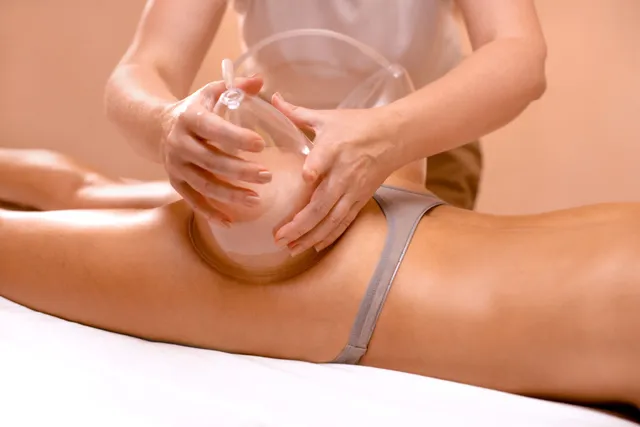

Butt massage is a therapeutic technique that focuses on the gluteal muscles, which play an important role in movement, balance, posture, and everyday activities. These muscles help support the hips, stabilize the pelvis, and make movements such as walking, running, climbing stairs, and sitting down possible. A properly performed butt massage may help relax tight muscles, improve comfort, and support recovery after physical activity.
Whether you spend long hours sitting at a desk, exercise regularly, or experience muscle tightness after a workout, learning about butt massage can help you understand how to care for your body. The technique can be performed by a trained massage therapist or, in some circumstances, through gentle self-massage.
In this guide, you will learn about the benefits of butt massage, common techniques, safety precautions, and how to choose the right approach for your needs.
What Is a Butt Massage?
A butt massage is a type of massage that focuses on the gluteal region, which includes the gluteus maximus, gluteus medius, and gluteus minimus muscles. These muscles are located around the buttocks and hips and contribute to hip movement, pelvic stability, and overall lower-body strength.
Massage techniques may include gentle kneading, circular movements, controlled pressure, and light strokes. The appropriate technique depends on the person’s comfort level, muscle condition, and reason for receiving the massage.
A professional massage therapist may incorporate gluteal massage into a broader session that also addresses the lower back, hips, and legs. This approach can be useful because these areas work together during many everyday movements.
It is important to distinguish therapeutic butt massage from sexual services. A professional therapeutic massage should follow clear boundaries, informed consent, appropriate draping, and the relevant professional standards.
7 Amazing Benefits of Butt Massage
Butt massage may provide several benefits when performed appropriately. However, results vary depending on the individual, the technique used, and the underlying cause of muscle discomfort.
1. Helps Relax Tight Gluteal Muscles
The gluteal muscles can become tight after prolonged sitting, repetitive exercise, or activities that place repeated demands on the hips. Gentle massage may help reduce the sensation of muscular tension and encourage relaxation.
People who spend much of the day at a computer may find that gentle gluteal massage complements regular movement breaks and stretching. Massage should not replace physical activity or professional treatment when symptoms persist.
2. May Reduce Post-Workout Soreness
Exercise involving squats, lunges, running, and weightlifting can leave the gluteal muscles feeling sore. Massage may help some people experience short-term relief from muscle soreness and improve their perception of recovery.
For the best recovery routine, combine appropriate massage with sufficient sleep, hydration, balanced nutrition, and gradual increases in exercise intensity.
Avoid aggressive pressure on muscles that are acutely injured, significantly swollen, or unusually painful.
3. Supports Relaxation and Stress Relief
Massage is commonly used as part of a relaxation routine. Slow, comfortable movements and a calm environment may help reduce feelings of stress and encourage a sense of well-being.
Because the buttocks contain large muscle groups, gentle massage can feel relaxing for some individuals. The experience should remain comfortable, and pressure should never cause sharp pain or numbness.
4. May Improve Comfortable Movement
Tightness around the hips and buttocks can make certain movements feel uncomfortable. Massage may temporarily improve the feeling of flexibility in some people, especially when combined with mobility exercises.
However, massage does not permanently correct every cause of restricted movement. Persistent stiffness may be related to joint problems, muscle injuries, nerve irritation, or other medical conditions.
5. Helps Increase Body Awareness
Massage can help people become more aware of muscle tension and areas that feel uncomfortable during movement. This awareness may encourage healthier habits, such as adjusting sitting positions, taking movement breaks, or modifying exercise routines.
A qualified therapist can also help identify areas that require gentler handling. Massage therapists do not diagnose medical conditions, so unexplained or persistent pain should be evaluated by an appropriate healthcare professional.
6. Complements Mobility and Stretching Exercises
Gentle massage can be included in a broader routine designed to support hip mobility. Exercises such as glute bridges, controlled hip rotations, and appropriate stretching can help maintain strength and movement.
Massage and exercise serve different purposes. Massage may provide temporary comfort, while targeted exercise helps develop muscular strength and functional capacity over time.
For people with recurring discomfort, a physiotherapist can recommend exercises based on their specific needs.
7. May Support Short-Term Pain Relief
Some people experience temporary relief from mild muscular discomfort after massage. The response depends on the source of the pain and the individual’s health.
Massage is not a cure for sciatica, nerve compression, serious injuries, or other underlying conditions. If pain travels down the leg, persists, or interferes with daily activities, professional assessment is recommended.
Popular Butt Massage Techniques
Different techniques can be used depending on the purpose of the massage and the person’s comfort level.
Gentle Circular Massage
This technique involves making small, slow circular movements over the fleshy gluteal muscles. Light pressure is generally appropriate for beginners.
The movements should remain controlled and comfortable. Avoid pressing directly over the spine, bony areas, or any location that produces sharp pain.
Kneading Technique
Kneading involves gently compressing and releasing the muscle tissue. A trained therapist may use this technique to address areas of muscular tension.
The pressure should be adjusted to the person’s preferences and physical condition. Stronger pressure does not necessarily produce better results, and deep pressure may worsen some injuries.
Light Stroking
Light stroking uses smooth movements over the muscles. It can help introduce massage gradually and may be suitable for people who prefer a gentle approach.
This technique is often used at the beginning or end of a massage session.
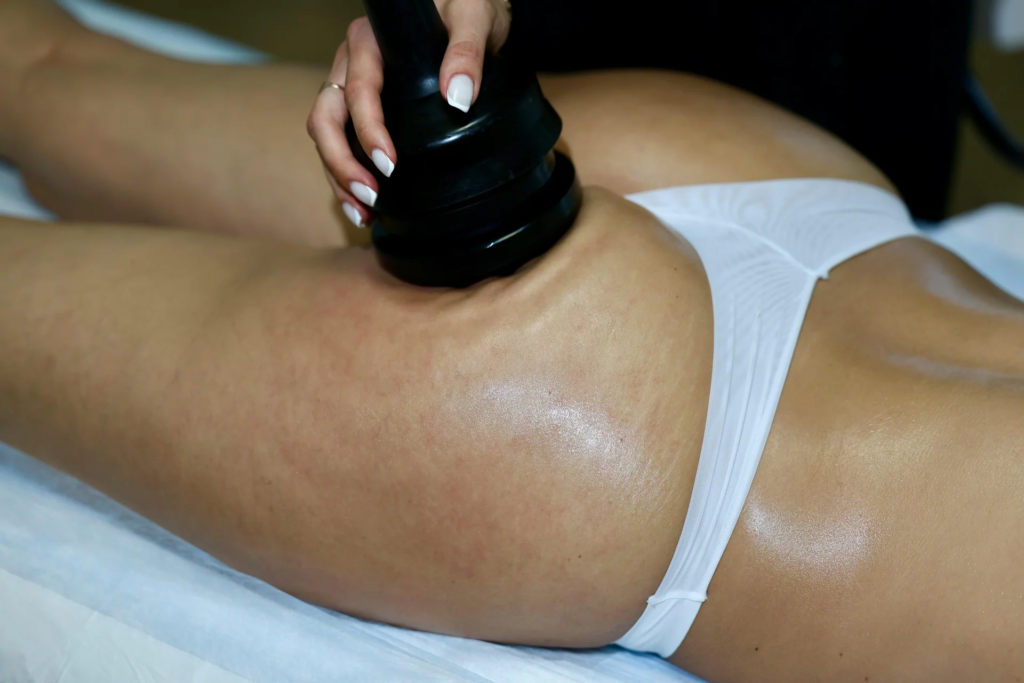
Massage Ball Technique
A soft massage ball may help apply controlled pressure to accessible areas of the gluteal muscles. To use one safely, place the ball between the muscle and a supportive surface, such as a wall.
Move slowly and keep the pressure moderate. Avoid rolling directly over the tailbone, hip bones, or areas that cause tingling, numbness, or shooting pain. People with medical conditions or recent injuries should seek professional advice before using massage tools.
How to Perform a Gentle Butt Massage at Home
A simple self-massage routine can be useful for mild muscular tightness. Follow these steps and stop if discomfort develops.
Step 1: Find a comfortable position. Sit or lie on a supportive surface that allows your hips and legs to relax.
Step 2: Begin with light pressure. Use your hand to make gentle circular movements over the fleshy muscles of one buttock.
Step 3: Move slowly. Spend a short amount of time on each comfortable area rather than repeatedly pressing one spot.
Step 4: Adjust the pressure. The sensation should remain comfortable. Do not continue through sharp pain, burning, tingling, or numbness.
Step 5: Finish with gentle movement. Stand up carefully and perform a few comfortable hip movements or take a short walk.
A brief session is usually sufficient for a first attempt. There is no need to apply intense pressure or massage the same area repeatedly.
Is Butt Massage Safe?
Butt massage is generally well tolerated when it uses appropriate pressure and respects the person’s physical condition. Nevertheless, it is not suitable for every situation.
Avoid massaging an area with an unexplained lump, open wound, skin infection, significant bruising, or suspected fracture. Recent surgery, a serious muscle injury, or a medical condition affecting blood clotting may also require professional guidance.
Do not massage a leg or buttock that has sudden swelling, warmth, redness, and unexplained pain, as these symptoms can indicate a potentially serious problem such as a blood clot.
Seek urgent medical care if buttock or back pain occurs with new bladder or bowel problems, numbness around the groin or saddle area, or progressive leg weakness.
A qualified healthcare professional can help determine whether massage is appropriate when pain is severe, persistent, or accompanied by other symptoms.
Butt Massage for People Who Sit for Long Hours
Prolonged sitting can contribute to stiffness and discomfort around the hips and buttocks. Although massage may offer temporary relief, changing daily habits is also important.
Try standing up regularly, walking briefly throughout the day, and adjusting your chair so that your feet are supported and your hips feel comfortable. Gentle movement can help reduce the effects of remaining in one position for too long.
If sitting causes pain that travels down the leg, persistent tingling, or weakness, do not assume that tight muscles are the only cause. A healthcare professional can assess whether nerve irritation or another condition may be involved.
How to Choose a Professional Massage Therapist
Choosing a qualified massage therapist can make the experience safer and more comfortable.
Look for a practitioner with appropriate training, relevant credentials, and experience in therapeutic massage. Ask whether gluteal massage is included in their professional scope of practice and explain any injuries or health concerns before the session begins.
A professional should explain the technique, obtain consent, use appropriate draping, and respect your privacy. You should be able to request lighter pressure, pause the session, or stop at any time.
Avoid practitioners who make unrealistic medical claims or insist that painful pressure is necessary for results.
Common Myths About Butt Massage
Myth 1: Butt massage permanently removes fat. Massage does not selectively burn fat from the buttocks or permanently change body shape.
Myth 2: More pressure always means better results. Excessive pressure can cause bruising, irritation, or worsening pain. Comfortable, appropriate techniques are more important than intensity.
Myth 3: Massage cures sciatica. Massage may temporarily relieve some muscular discomfort, but it cannot reliably treat every cause of sciatic nerve pain.
Myth 4: Everyone needs a butt massage. Massage is an optional wellness technique. Walking, exercise, stretching, and appropriate medical care may be more suitable for some individuals.
Understanding these facts helps people make informed decisions about massage and avoid unrealistic expectations.
Frequently Asked Questions About Butt Massage
What is butt massage used for?
Butt massage is commonly used to relax the gluteal muscles, ease mild muscular tightness, support relaxation, and complement exercise recovery.
Can butt massage relieve lower back discomfort?
It may help when muscular tension around the hips or buttocks contributes to discomfort. However, lower back pain has many possible causes, and massage is not a substitute for medical evaluation when symptoms persist.
How long should a butt massage last?
A brief session of several minutes may be enough for gentle self-massage. The appropriate duration depends on comfort, technique, and individual needs. Stop if symptoms worsen.
Can I use a massage gun on my buttocks?
A massage gun may be appropriate for some healthy muscle tissue when used according to the manufacturer’s instructions. Use a low setting, avoid bony areas and sensitive structures, and never apply it to an injured or unusually painful area without professional advice.
Does butt massage improve circulation?
Massage can temporarily influence local blood flow, but the extent and clinical significance vary. It should not be used to treat suspected circulation problems or blood clots.
Can butt massage reduce cellulite?
There is no strong evidence that massage permanently removes cellulite. Any visible changes after massage are generally temporary rather than a lasting reduction in fat or cellulite.
Is butt massage appropriate for everyone?
No. People with recent injuries, certain medical conditions, unexplained swelling, or significant pain may need to avoid massage or seek professional guidance first.
Conclusion
Butt massage can be a useful addition to a personal wellness routine when performed gently and appropriately. It may help relax tight gluteal muscles, support short-term relief from mild soreness, and promote relaxation after exercise or prolonged sitting.
The best results come from realistic expectations, safe techniques, and a balanced approach that includes regular movement and suitable exercise. Always prioritize comfort, consent, and professional guidance when necessary.
If pain is severe, persistent, or accompanied by numbness or weakness, seek medical advice instead of relying on massage alone. With the right approach, butt massage can complement a healthy lifestyle while helping you better understand and care for your body’s needs.
Meta Description: Discover 7 amazing benefits of butt massage, safe techniques, relaxation tips, muscle recovery advice, and essential precautions for beginners.
SEO Title: Butt Massage: 7 Amazing Benefits and Safe Techniques