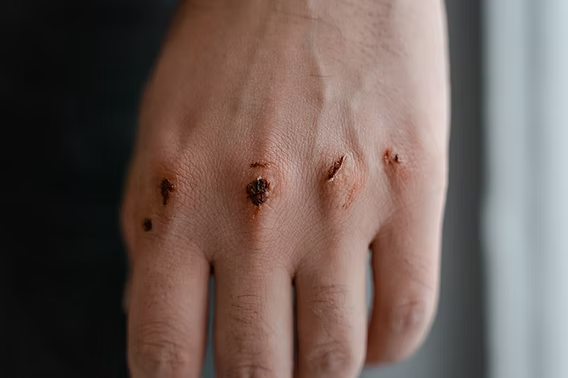

A broken knuckle can be painful and frustrating, especially because the hands are involved in almost everything we do. A knuckle fracture usually occurs when one of the bones connecting the fingers to the hand is cracked or broken. These injuries can happen after a punch, fall, sports accident, workplace injury, or direct impact.
Although some broken knuckle may appear relatively minor, they should not be ignored. A fracture that heals incorrectly can affect finger movement, grip strength, and the overall function of the hand. Understanding the symptoms, treatment options, and recovery process can help you recognize when professional medical attention is necessary.
What Is a Broken Knuckle?
The term “broken knuckle” generally refers to a fracture involving one of the metacarpal bones near the finger joints. The metacarpals connect the wrist to the fingers, and their ends form the prominent knuckles visible when you make a fist.
A fracture can range from a small crack to a complete break. In some cases, the bone remains in its normal position. In others, the broken pieces move out of alignment. This is known as a displaced fracture and may require more specialized treatment.
The fifth metacarpal, which connects to the little finger, is particularly vulnerable. A fracture in this area is often called a “boxer’s fracture” because it can occur after punching a hard object.
What Causes a Broken Knuckle?
A broken knuckle usually results from a strong force applied directly to the hand. Common causes include:
- Punching a hard surface
- Falling onto an outstretched hand
- Sports-related collisions
- Accidents involving doors or heavy objects
- Workplace injuries
- Motor vehicle accidents
- Crushing injuries
- Direct blows to the hand
The severity of the injury depends on the force involved, the direction of the impact, and which bone or joint is affected.
Common Broken Knuckle Symptoms
Pain is one of the most noticeable symptoms of a fractured knuckle. However, other signs can help distinguish a fracture from a simple bruise or sprain.
1. Pain and Tenderness
A broken knuckle may cause immediate pain following an injury. The area can remain tender, particularly when you touch it, move the finger, or attempt to grip something.
2. Swelling
Swelling around the injured knuckle is common. The hand may become noticeably larger within minutes or hours after the injury.
3. Bruising
The skin around the knuckle may develop purple, blue, or reddish discoloration. Bruising can sometimes spread beyond the immediate injury site.
4. Difficulty Moving the Finger
A fracture may make it difficult or painful to bend or straighten the affected finger. Reduced movement can also result from swelling.
5. Deformity
A visibly crooked finger or an unusual shape around the knuckle can indicate that the bone has shifted. This requires prompt medical assessment.
6. Reduced Grip Strength
Because the metacarpal bones play an important role in hand function, a broken knuckle can make gripping, holding, or lifting objects difficult.
7. Numbness or Tingling
Numbness, tingling, or unusual sensations may occur if swelling or the injury affects nearby nerves. These symptoms should be evaluated by a healthcare professional.
Can You Have a Broken Knuckle Without Much Swelling?
Yes. Not every fracture causes dramatic swelling or bruising. Some small or stable fractures may initially look less serious than they actually are.
For this reason, the absence of significant swelling does not completely rule out a fracture. Persistent pain after an impact, especially pain that gets worse when you move or press the knuckle, is a reason to seek medical evaluation.
How Is a Broken Knuckle Diagnosed?
A healthcare professional will generally examine the hand and ask how the injury happened. They may check swelling, tenderness, finger movement, circulation, and sensation.
An X-ray is commonly used to determine whether a bone is fractured and whether the broken pieces are properly aligned. In more complicated injuries, additional imaging may sometimes be considered.
A medical assessment is particularly important when there is visible deformity, severe pain, an open wound, loss of sensation, or difficulty moving the fingers.
Broken Knuckle Treatment
Treatment depends on the location and severity of the fracture. A stable fracture with good alignment may require less intensive treatment than a displaced or complicated fracture.
Immobilization
A healthcare professional may recommend keeping the injured area immobilized with a splint or other support. Immobilization reduces movement while the bone heals.
The exact type and duration of immobilization depend on the fracture and should be determined by a medical professional.
Reduction
If the bone fragments have moved out of their normal position, a doctor may need to realign the bone. This procedure is called a reduction.
Reduction should be performed by an appropriately trained healthcare professional rather than attempted at home.
Surgery
Some fractures require surgery, particularly when the bone is significantly displaced, unstable, involves a joint, or cannot be adequately aligned using non-surgical treatment.
Surgery may involve techniques designed to stabilize the broken bone while it heals.
What Can You Do Immediately After a Knuckle Injury?
If you suspect a broken knuckle, protecting the hand is important until it can be evaluated.
Rest the injured hand and avoid activities that increase pain. Keeping the hand elevated may help reduce swelling. A cold pack wrapped in a cloth can also be used for short periods to help with pain and swelling.
Do not place ice directly against the skin, and avoid attempting to straighten a visibly deformed finger yourself.
If there is an open wound, heavy bleeding, severe deformity, or loss of sensation or circulation, seek urgent medical attention.
How Long Does a Broken Knuckle Take to Heal?
Healing time varies depending on the fracture, the person’s age and general health, and whether the bone remains properly aligned.
Many uncomplicated hand fractures take several weeks to heal, but full recovery can take longer. Even after the bone has healed, stiffness, weakness, or reduced movement may continue for a period of time.
Returning to sports, manual work, or heavy lifting should be based on medical advice rather than simply whether the pain has improved.
Recovery After a Broken Knuckle
Recovery involves more than waiting for the bone to heal. Once a healthcare professional determines that movement is safe, gradual rehabilitation may help restore flexibility and strength.
Depending on the injury, a doctor or physical therapist may recommend exercises designed to improve:
- Finger flexibility
- Hand strength
- Grip function
- Joint movement
- Coordination
Following the recommended rehabilitation plan can reduce stiffness and help restore normal hand function.
Can a Broken Knuckle Heal on Its Own?
Some stable fractures can heal without surgery, but that does not mean they should be left completely untreated.
A fracture that heals in the wrong position can cause long-term problems, including reduced finger movement, altered hand shape, weakness, or difficulty gripping objects.
Getting an appropriate diagnosis helps determine whether the injury can be managed with immobilization or requires additional treatment.
When Should You See a Doctor?
You should seek medical evaluation after a significant hand injury if you have persistent or severe pain, swelling, bruising, difficulty moving your finger, or reduced grip strength.
Urgent assessment is especially important if:
- The finger looks crooked or deformed
- A bone is visible through the skin
- You have significant bleeding
- The finger becomes numb
- The fingertip becomes unusually pale, blue, or cold
- You cannot move the finger
- Pain is severe or rapidly worsening
Prompt treatment can help reduce the risk of complications and improve the chances of a good functional recovery.
Broken Knuckle vs. Sprained Knuckle
A sprain affects ligaments, while a fracture involves a broken bone. Both injuries can cause pain, swelling, bruising, and limited movement, so it may be difficult to tell them apart based only on symptoms.
An X-ray and professional examination can help determine whether a bone is fractured.
If the injury resulted from a strong impact and pain continues despite rest, it is better to have the hand assessed rather than assuming it is only a sprain.
Possible Complications of a Broken Knuckle
Most broken knuckles can be treated successfully, but complications can occur, especially when the fracture is not properly diagnosed or treated.
Potential problems include persistent stiffness, reduced range of motion, weakness, chronic pain, changes in finger alignment, or a bone healing in an abnormal position.
Fractures involving a joint may require particular attention because joint alignment can influence long-term hand function.
How to Protect Your Knuckles
Preventing every hand injury is impossible, but several habits can reduce the risk.
Use appropriate protective equipment during contact sports and activities involving machinery or heavy objects. Follow workplace safety procedures and avoid striking hard surfaces with your hands.
Strength and flexibility exercises may support overall hand function, but they cannot make the bones immune to fractures.
Final Thoughts
A broken knuckle can range from a relatively simple fracture to an injury requiring specialist treatment. Pain, swelling, bruising, difficulty moving the finger, deformity, and reduced grip strength are common warning signs.
Because symptoms alone cannot reliably confirm a fracture, medical evaluation and appropriate imaging may be necessary after a significant injury. Early diagnosis is especially important when the finger appears deformed or there are problems with sensation or circulation.
With appropriate treatment, immobilization when needed, and gradual rehabilitation, many people recover good hand function. Avoid returning to demanding activities too quickly, and follow professional advice throughout the healing process.
Frequently Asked Questions About a Broken Knuckle
What does a broken knuckle feel like?
It commonly causes pain, tenderness, swelling, bruising, and difficulty moving the affected finger. A severe fracture may also cause deformity.
Can you still move a broken knuckle?
Possibly. Being able to move the finger does not necessarily mean there is no fracture. Some fractures still allow limited movement.
How do you know if your knuckle is broken?
A healthcare professional may examine the injury and use an X-ray to confirm a fracture and assess bone alignment.
Is a broken knuckle serious?
It can be. Some fractures are straightforward, while displaced or joint-involving fractures may require more complex treatment.
How long does a broken knuckle take to heal?
Many uncomplicated fractures heal over several weeks, although complete recovery of strength and movement can take longer.
Can you treat a broken knuckle at home?
You can protect the injured hand and use basic measures such as rest, elevation, and wrapped cold packs while seeking medical advice. A suspected fracture should not be self-treated by attempting to realign the bone.
What is a boxer’s fracture?
A boxer’s fracture is a fracture of the fifth metacarpal, the bone leading to the little finger. It commonly occurs after an impact such as punching a hard object.
When is surgery needed for a broken knuckle?
Surgery may be considered when a fracture is significantly displaced, unstable, involves a joint, or cannot be adequately aligned with non-surgical treatment.