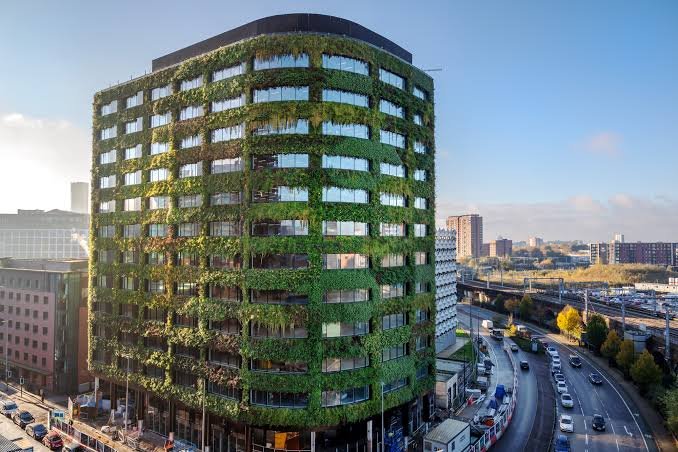

What Is Green Building?
Green building is an approach to designing, constructing, and operating buildings in ways that reduce environmental impact while creating comfortable, healthy, and efficient spaces for people. It focuses on using natural resources responsibly, reducing waste, improving energy performance, and selecting materials that support long-term sustainability.
Traditional construction often requires large amounts of energy, water, and raw materials. It can also produce significant waste and contribute to environmental pollution. Green building offers a more responsible approach by considering the environmental impact of a property throughout its entire life cycle.
This approach applies to residential homes, commercial offices, schools, hospitals, shopping centres, and industrial facilities. Whether constructing a new property or renovating an existing structure, sustainable building practices can make a meaningful difference.
As environmental awareness continues to grow, green building has become an important part of modern architecture and urban development.
Why Is Green Building Important?
Buildings consume considerable amounts of energy and natural resources. Heating, cooling, lighting, ventilation, and daily operations all contribute to their environmental footprint.
Green building helps address these challenges through thoughtful planning and efficient construction techniques. Architects and developers consider how a building interacts with its surroundings, how much energy it requires, and how its materials affect the environment.
One major advantage is the reduction of unnecessary energy consumption. Proper insulation, natural ventilation, efficient windows, and modern lighting systems can reduce the need for artificial heating and cooling.
Water conservation is another important consideration. Rainwater harvesting, low-flow fixtures, and efficient plumbing systems help reduce pressure on local water supplies.
Green building also supports healthier indoor environments by improving air quality, managing natural light, and reducing exposure to certain harmful construction materials.
Key Principles of Green Building
Green building follows several important principles that guide sustainable construction projects.
Energy Efficiency
Reducing energy consumption is one of the main objectives of sustainable architecture. Buildings can use high-performance insulation, energy-efficient appliances, LED lighting, and smart control systems to improve overall efficiency.
Well-designed windows and building orientation can also help reduce unwanted heat gain and make better use of natural daylight.
Water Conservation
Water-efficient buildings use resources carefully. Rainwater harvesting systems can collect water for gardening, cleaning, and other suitable purposes.
Low-flow taps, efficient showers, dual-flush toilets, and water-saving irrigation systems can further reduce consumption.
Sustainable Materials
Material selection has a significant influence on the environmental impact of construction. Recycled steel, responsibly sourced timber, bamboo, reclaimed wood, and suitable low-impact materials can help reduce the demand for newly extracted resources.
Durability is equally important because materials that last longer generally require less frequent replacement.
Waste Reduction
Construction projects can generate large quantities of waste. Green building encourages careful material planning, recycling, reuse, and responsible disposal.
Reducing unnecessary packaging and selecting materials with minimal offcuts can also improve project efficiency.
Healthy Indoor Environments
A sustainable building should support the health and comfort of its occupants. Good ventilation, appropriate daylight, thermal comfort, and carefully selected paints and finishes contribute to a better indoor environment.
Benefits of Green Building
Green building provides advantages that extend beyond environmental protection. It can improve operating efficiency, occupant comfort, and the long-term value of a property.
1. Lower Energy Costs
Energy-efficient buildings can reduce electricity consumption through insulation, efficient lighting, and modern heating and cooling systems. Over time, these improvements may produce meaningful savings on utility bills.
2. Reduced Environmental Impact
Using fewer resources, generating less waste, and lowering operational energy requirements can reduce a building’s overall environmental footprint.
3. Better Indoor Air Quality
Appropriate ventilation and low-emission materials can help improve indoor air quality. This is particularly important in homes, offices, schools, and healthcare facilities.
4. Improved Water Efficiency
Water-saving fixtures and rainwater collection systems help manage water consumption more responsibly.
5. Greater Occupant Comfort
Natural lighting, suitable ventilation, and stable indoor temperatures create more comfortable living and working environments.
6. Long-Term Property Value
Buildings with efficient systems and durable materials may attract buyers and tenants who value lower operating costs and sustainable features.
7. Reduced Maintenance Requirements
Selecting durable materials and designing building systems carefully can reduce the frequency of repairs and replacements.
8. Better Use of Natural Resources
Green construction encourages responsible material sourcing, recycling, and efficient use of available resources.
Sustainable Materials Used in Green Building
The materials used in construction influence a building’s durability, performance, and environmental impact. Choosing appropriate materials is therefore an important part of sustainable design.
Bamboo: Bamboo is a rapidly renewable material that can be used for flooring, decorative features, furniture, and selected structural applications when properly engineered.
Recycled Steel: Recycled steel reduces the need for newly produced raw material and can be used in structural frames, roofing, and other construction components.
Reclaimed Wood: Reusing timber from older buildings and structures gives existing materials a second life while reducing demand for newly harvested wood.
Recycled Concrete: Crushed concrete can be reused as aggregate in suitable construction applications, helping reduce construction and demolition waste.
Natural Stone: Locally sourced stone can provide durability and reduce transportation-related impacts when selected and installed appropriately.
Low-VOC Paints: These paints release fewer volatile organic compounds than conventional alternatives, helping improve indoor environmental quality.
The best material depends on local availability, climate, cost, durability, and the intended use of the building.
Energy-Efficient Design in Modern Architecture
Energy-efficient design begins before construction starts. Architects study the local climate, sunlight direction, wind patterns, and surrounding environment to determine how a building should be positioned.
Building orientation can make a significant difference to indoor temperatures. Appropriate window placement allows natural daylight to enter while controlling unwanted solar heat.
Insulation is another essential feature. Roofs, external walls, and floors can be designed to reduce heat transfer between indoor and outdoor environments.
Modern green buildings may also incorporate solar panels, energy-efficient air conditioning, automated lighting, and smart thermostats.
These technologies help buildings operate more efficiently while giving occupants greater control over their energy use.
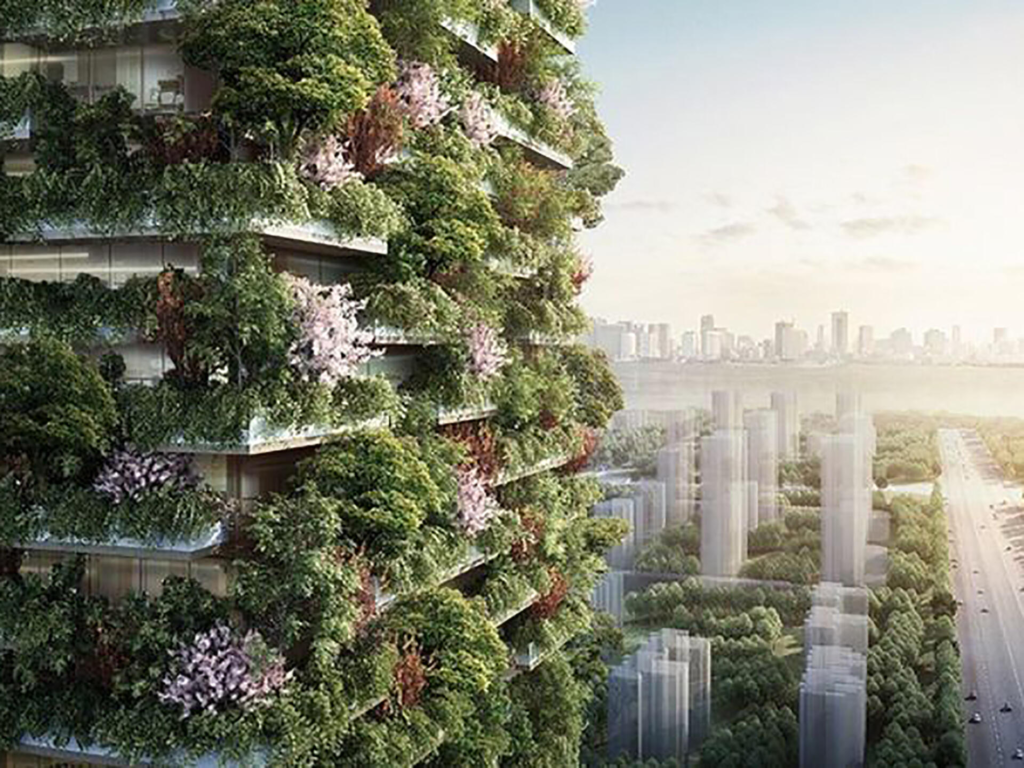
The Role of Renewable Energy in Green Building
Renewable energy is becoming an increasingly important part of sustainable construction. Solar power is particularly popular because it can generate electricity directly from sunlight.
Rooftop solar panels can support lighting, appliances, ventilation, and other electrical requirements. Depending on the system design, battery storage can provide additional flexibility by storing excess electricity for later use.
Other renewable energy options include geothermal systems and small-scale wind power where local conditions make them practical.
However, renewable energy should complement energy-efficient building design rather than replace it. Reducing unnecessary electricity consumption remains an important first step.
Green Building Certifications and Standards
Green building certifications provide structured ways to evaluate the environmental performance of buildings. They assess different aspects of design, construction, resource consumption, and building operations.
Some internationally recognised certification systems include:
LEED: Leadership in Energy and Environmental Design is a widely recognised green building certification system developed by the U.S. Green Building Council.
BREEAM: Building Research Establishment Environmental Assessment Method evaluates the sustainability performance of buildings and infrastructure.
EDGE: Excellence in Design for Greater Efficiencies is a certification system developed by the International Finance Corporation. It focuses on improving resource efficiency in buildings.
WELL Building Standard: This system focuses on how buildings support human health and well-being.
These certifications can help developers demonstrate their commitment to sustainable construction. However, the most suitable standard depends on the building type, location, and project objectives.
Green Building in Residential Construction
Sustainable residential construction focuses on creating homes that are comfortable, efficient, and economical to operate.
Homeowners can introduce green building features without necessarily investing in expensive technologies. Proper roof insulation, energy-efficient windows, LED lighting, water-saving fixtures, and natural ventilation are practical starting points.
The local climate should influence material selection and building design. In warmer regions, shading, reflective roofing, insulated walls, and suitable ventilation can help reduce indoor heat.
Gardens and green spaces can also improve the surrounding environment. Native plants generally require less irrigation than species that are not adapted to local conditions.
A well-planned sustainable home can provide long-term benefits while reducing unnecessary resource consumption.
Green Building in Commercial Properties
Commercial buildings often have substantial energy requirements because of lighting, air conditioning, computers, elevators, and other equipment.
Green building strategies can help offices, hotels, shopping centres, and educational institutions improve their operating efficiency.
Smart building management systems monitor energy use and adjust lighting, ventilation, and temperature according to occupancy and environmental conditions.
Efficient cooling systems and well-designed building envelopes can also reduce energy demand.
For businesses, sustainability can support operational planning, employee comfort, and environmental responsibility. It may also strengthen a company’s reputation among customers and investors who value responsible business practices.
Challenges of Green Building
Despite its advantages, green building involves several practical challenges.
Initial construction costs can sometimes be higher because of specialised materials, advanced systems, professional design services, and certification requirements.
Availability is another concern. Some sustainable products may not be easily accessible in certain regions, making transportation and procurement more complicated.
Technical knowledge is also important. Architects, engineers, contractors, and property owners need to understand how different building systems work together.
Poor planning can reduce the effectiveness of sustainable features. For example, installing solar panels without addressing unnecessary energy consumption may result in a less efficient overall design.
These challenges can be addressed through early planning, appropriate budgeting, local material selection, and professional guidance.
The Future of Green Building
The future of green building will be shaped by technological improvements, changing environmental priorities, and growing demand for efficient properties.
Smart building technology is becoming more advanced. Sensors, automated systems, and energy monitoring tools allow property owners to understand how buildings use electricity and water.
Artificial intelligence may also support building management by analysing occupancy patterns, predicting energy demand, and adjusting environmental controls.
Another important development is the use of circular construction principles. Instead of treating buildings as temporary structures that eventually generate waste, designers are increasingly considering how components can be repaired, reused, and recycled.
Urban development is also moving towards better integration of green spaces, public transportation, and energy-efficient infrastructure.
These developments suggest that sustainable construction will remain an important part of the architecture and property industries.
How to Make an Existing Building More Sustainable
Green building is not limited to newly constructed properties. Existing homes and commercial buildings can also benefit from sustainable improvements.
Replacing outdated lighting with LED alternatives is a simple way to reduce electricity consumption. Improving roof and wall insulation can help maintain more stable indoor temperatures.
Installing water-efficient fixtures and repairing leaking pipes can reduce unnecessary water waste.
Property owners can also consider solar energy, efficient cooling equipment, and better ventilation systems.
Before starting a renovation, it is useful to assess the building’s current energy and water consumption. This helps identify the improvements that are likely to provide the greatest benefits.
A gradual approach can make sustainable upgrades more affordable and easier to manage.
Conclusion
Green building represents an important shift towards more responsible and efficient construction. By combining sustainable materials, energy-efficient design, water conservation, renewable energy, and healthier indoor environments, it offers a practical approach to reducing the environmental impact of buildings.
Its benefits extend to homeowners, businesses, developers, and communities. Although initial costs and technical challenges can create obstacles, thoughtful planning and suitable technologies make sustainable construction increasingly achievable.
As cities continue to grow and environmental concerns become more important, green building will play a valuable role in shaping modern architecture. Creating buildings that use fewer resources while providing comfortable spaces is not simply a design trend; it is a long-term investment in a more sustainable future.
Frequently Asked Questions About Green Building
What is the main purpose of green building?
Its main purpose is to reduce environmental impact while improving energy efficiency, resource management, and occupant comfort.
Is green building more expensive?
Initial costs can be higher, but efficient systems and durable materials may reduce long-term operating and maintenance expenses.
What are the most common green building materials?
Common options include bamboo, recycled steel, reclaimed wood, recycled concrete, and low-VOC paints.
How does green building save energy?
It uses insulation, efficient lighting, natural ventilation, modern appliances, and renewable energy systems to reduce electricity consumption.
What is LEED certification?
LEED is an internationally recognised green building rating system developed by the U.S. Green Building Council.
Can an existing home become a green building?
Yes. Insulation improvements, solar panels, LED lighting, and water-efficient fixtures can make existing homes more sustainable.
Why is water conservation important in green buildings?
It reduces unnecessary water consumption and supports more responsible management of available freshwater resources.
What is the future of green building?
The future includes smarter building systems, renewable energy, circular construction, sustainable materials, and more efficient urban development.