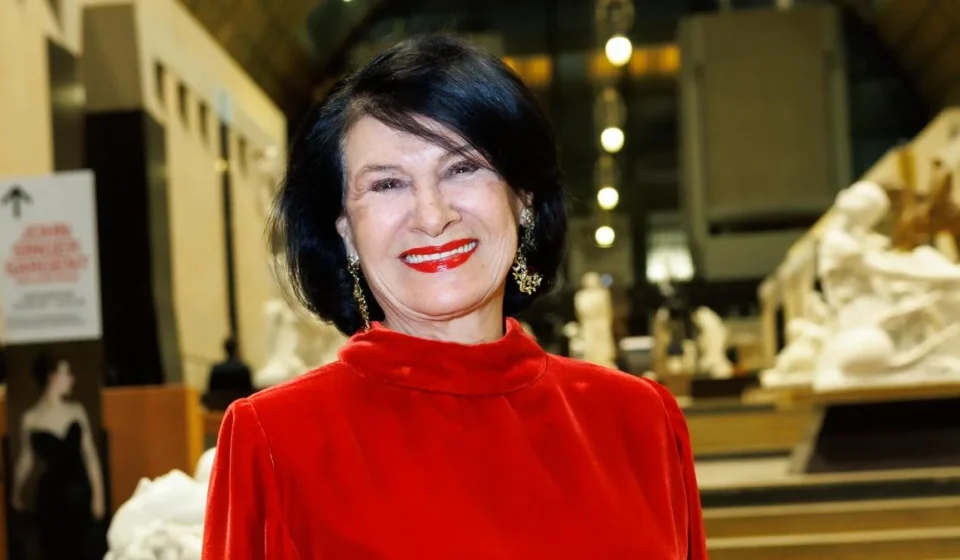

Paloma Picasso is a name closely associated with creativity, luxury, fashion, jewelry, and artistic expression. Born into one of the most famous creative families of the 20th century, she developed a distinctive identity rather than simply living in the shadow of her father, Pablo Picasso. Over the decades, Paloma Picasso has built a respected career through her work as a designer, artist, and creative personality.
Her story is particularly interesting because it connects several worlds that rarely overlap so naturally: fine art, fashion, jewelry, fragrance, and personal style. Her bold aesthetic and confident approach to design have made her an influential figure in the luxury industry.
Who Is Paloma Picasso?
Paloma Picasso was born Anne Paloma Ruiz-Picasso on April 19, 1949, in Vallauris, France. She is the daughter of legendary Spanish artist Pablo Picasso and painter and writer Françoise Gilot.
Growing up around art had a major influence on her early life. However, Paloma eventually developed her own creative direction. Instead of becoming known only as the daughter of a celebrated artist, she established herself professionally through design and artistic work.
Her career has included jewelry design, fashion-related creativity, painting, and fragrance. Her name has become particularly recognizable in the luxury world, where strong visual identity and originality are highly valued.
1. She Grew Up Surrounded by Art
One of the most fascinating aspects of Paloma Picasso’s background is her childhood environment.
Her father, Pablo Picasso, was one of the most influential artists of modern times. Her mother, Françoise Gilot, was also an accomplished artist and author. As a result, creativity was not simply a career choice in Paloma’s family—it was part of everyday life.
Being exposed to artists, paintings, ideas, and cultural discussions from an early age gave her an unusual creative foundation. Yet her later career demonstrates that she did not simply copy her parents’ artistic paths.
Instead, she found ways to translate creativity into different forms.
2. Paloma Picasso Became Known for Jewelry Design
Jewelry became one of the most important areas of Paloma Picasso’s career.
Her approach to jewelry is often associated with bold shapes, strong visual contrasts, and recognizable design elements. Rather than focusing exclusively on delicate or traditional styles, her work can communicate confidence and individuality.
Her association with Tiffany & Co. became an important part of her professional story. She began working with the renowned American luxury jewelry house in the early 1980s, creating designs that helped establish her reputation in the jewelry industry.
Her jewelry work reflects a strong artistic personality. Pieces associated with her design language can appear dramatic, sculptural, and expressive while maintaining the refinement expected from a major luxury brand.
3. Her Connection With Tiffany & Co. Is Significant
Paloma Picasso’s relationship with Tiffany & Co. represents one of the most recognizable chapters of her career.
The company is internationally known for its luxury jewelry and heritage, and collaborating with an established designer can give a collection a distinctive identity. Paloma brought her own visual vocabulary to the brand.
Her designs have included motifs inspired by nature, movement, and powerful graphic forms. Her use of color and distinctive shapes helped separate her work from more conventional jewelry aesthetics.
This partnership also demonstrated an important principle of luxury design: heritage can be respected without sacrificing individuality.
4. Paloma Picasso Entered the World of Fragrance
Paloma Picasso’s creative influence extends beyond jewelry.
She also became associated with the fragrance industry, most notably through her signature perfume, Paloma Picasso. Introduced in the 1980s, the fragrance developed a reputation for its sophisticated and distinctive character.
The perfume’s identity reflects many elements associated with Paloma’s personal aesthetic. It is often described as bold, elegant, and confident rather than understated.
Fragrance is a particularly interesting extension of an artist’s creative work because it transforms visual ideas into something experienced through scent. A successful fragrance can become part of a person’s identity, much like a favorite piece of jewelry or clothing.
For Paloma Picasso, fragrance became another medium through which she could express her creative personality.
5. Her Personal Style Became Part of Her Image
Paloma Picasso has also been recognized for her striking personal style.
She has often appeared with bold makeup, dramatic red lips, dark hair, and statement accessories. Her appearance became closely connected to the confident aesthetic associated with her name.
Rather than following every changing fashion trend, her style has generally emphasized individuality. This is one reason her image has remained recognizable over time.
Her approach offers an interesting lesson in personal branding. A consistent visual identity can become almost as memorable as a product or artistic creation.
6. She Developed Her Own Identity Beyond Pablo Picasso
Being the child of an internationally famous artist comes with enormous attention.
For Paloma Picasso, developing an independent identity was especially significant because her father’s name is among the most recognizable in modern art.
Her career demonstrates that family heritage can provide inspiration without determining an individual’s entire professional identity.
She benefited from an extraordinary artistic environment, but she also built a career in areas that were distinct from her father’s primary artistic practice. Jewelry and fragrance allowed her to develop her own creative language.
This independence is an important part of understanding Paloma Picasso. Her story is not simply about being Pablo Picasso’s daughter. It is also about how she transformed an artistic background into a career with its own identity.
7. Her Work Continues to Influence Luxury Design
The lasting appeal of Paloma Picasso comes partly from the strength of her visual language.
Luxury consumers often look for products that feel personal and distinctive. Designs that are immediately recognizable can create a strong connection between a creator and an audience.
Paloma’s work demonstrates how an individual designer can contribute to a major luxury brand without losing a personal signature.
Her career also shows how creative professionals can move successfully between industries. Art, jewelry, fashion, and fragrance may seem different, but all depend on imagination, storytelling, aesthetics, and emotional appeal.

Paloma Picasso and Modern Luxury
Modern luxury has increasingly become about more than price or materials. Consumers often want a story behind what they buy.
A designer’s background, creative philosophy, and signature style can make an object feel more meaningful. Paloma Picasso’s career fits naturally into this idea.
Her name carries an artistic heritage, but her professional work also has its own identity. That combination creates a strong form of luxury branding.
Jewelry, for example, can be worn as an accessory while simultaneously communicating personality. Fragrance can become an invisible part of someone’s style. Both require a strong understanding of emotion and identity.
Why Is Paloma Picasso Still Interesting Today?
There are several reasons people continue to search for Paloma Picasso.
Some are interested in her famous family background. Others discover her through jewelry or fragrance. Fashion enthusiasts may be attracted to her distinctive personal style, while art lovers may want to understand her relationship with Pablo Picasso and Françoise Gilot.
Her career is also relevant because it demonstrates how a person can turn creative heritage into an independent professional identity.
In a world where personal branding has become increasingly important, Paloma Picasso’s career provides an early example of how a recognizable name, visual identity, and creative direction can work together.
Paloma Picasso’s Artistic Philosophy
Although her career spans several industries, a common element can be seen in her preference for expressive design.
Her work tends to avoid feeling anonymous. Instead, it aims to create a recognizable personality.
That approach is especially valuable in luxury markets, where customers often want something that feels different from mass-produced products.
Her designs can therefore be viewed not only as commercial products but also as examples of how artistic thinking can influence everyday objects.
A Legacy Built on Individuality
Paloma Picasso’s legacy is connected to both her heritage and her independence.
Her family history gave her access to an extraordinary artistic environment, but her professional achievements were developed through her own creative choices.
From jewelry to fragrance and personal style, she established a recognizable identity that continues to attract attention.
Her story is a reminder that creativity does not have to remain within one medium. An artistically minded person can express the same sense of identity through a painting, a piece of jewelry, a perfume bottle, or a personal style.
Final Thoughts
Paloma Picasso represents a fascinating combination of artistic heritage, luxury design, and personal creativity. As the daughter of Pablo Picasso and Françoise Gilot, she grew up surrounded by influential artistic ideas, but she ultimately created a career with a distinctive identity of its own.
Her work with Tiffany & Co., her signature fragrance, and her memorable personal style helped establish her as more than a famous family member. She became a recognizable creative figure in her own right.
For anyone interested in art, fashion, jewelry, fragrance, or luxury branding, Paloma Picasso offers an inspiring example of how heritage can provide a foundation while individuality creates a lasting legacy.
1. Who is Paloma Picasso?
Paloma Picasso is a designer, artist, and creative personality known for jewelry and fragrance.
2. Who are Paloma Picasso’s parents?
She is the daughter of Pablo Picasso and artist Françoise Gilot.
3. What is Paloma Picasso famous for?
She is particularly known for her jewelry designs and signature fragrance.
4. Did Paloma Picasso work with Tiffany & Co.?
Yes. She became an important jewelry designer associated with Tiffany & Co.
5. When was Paloma Picasso born?
She was born on April 19, 1949, in Vallauris, France.
6. What is the Paloma Picasso perfume?
It is a signature fragrance associated with Paloma Picasso and known for its distinctive, sophisticated character.