
Shepherd breeds are among the most intelligent, loyal, hardworking, and versatile dogs in the world. Originally developed to help people manage and protect livestock, these dogs have become popular family companions, working dogs, service animals, police dogs, and search-and-rescue partners.
Although many shepherd dogs share a history of herding, every breed has its own personality, appearance, exercise needs, and training requirements. Some are energetic and athletic, while others are calmer and more protective. Choosing the right shepherd breed depends on your lifestyle, experience with dogs, available space, and willingness to provide regular mental and physical stimulation.
In this guide, we explore some of the most popular shepherd breeds, their characteristics, care needs, and what makes each one special.
What Are Shepherd Breeds?
Shepherd breeds are dogs that were traditionally bred to herd, guard, or manage livestock such as sheep, cattle, and goats. Their jobs required intelligence, stamina, obedience, confidence, and the ability to respond quickly to human commands.
Many shepherd dogs have a strong work ethic. They enjoy having a purpose and can become bored or destructive when they do not receive enough exercise and mental stimulation.
Today, shepherd breeds perform many different roles. They can be family pets, farm dogs, competitive obedience dogs, agility competitors, protection dogs, and working partners.
1. German Shepherd
The German Shepherd is one of the world’s best-known shepherd breeds. Developed in Germany, this intelligent and athletic dog is valued for its loyalty, trainability, courage, and versatility.
German Shepherds are commonly used in police and military work, search and rescue, detection, and service roles. They can also make devoted family companions when properly trained and socialized.
They generally need plenty of daily exercise and mental stimulation. Training should begin early and continue throughout their lives. Because they are intelligent and energetic, they usually do best with owners who can provide structure and regular activities.
2. Belgian Malinois
The Belgian Malinois is an athletic and highly driven shepherd breed known for its intelligence and remarkable work ethic. Although it can resemble the German Shepherd, the Malinois is generally lighter and more agile.
This breed is frequently associated with police, military, protection, and detection work. Belgian Malinois dogs can learn complicated tasks quickly and often have tremendous energy.
They are not usually ideal for people looking for a low-energy companion. A Malinois needs exercise, training, socialization, and meaningful activities every day.
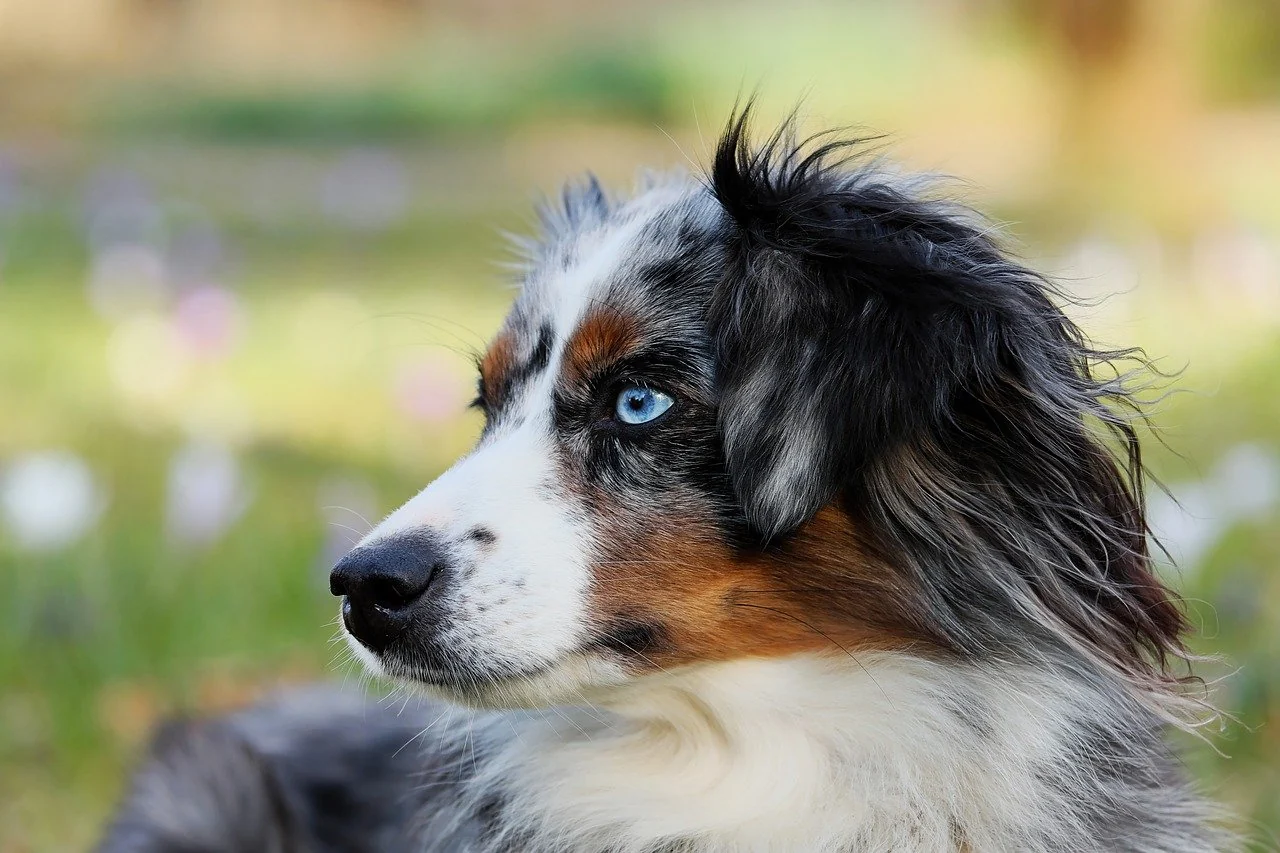
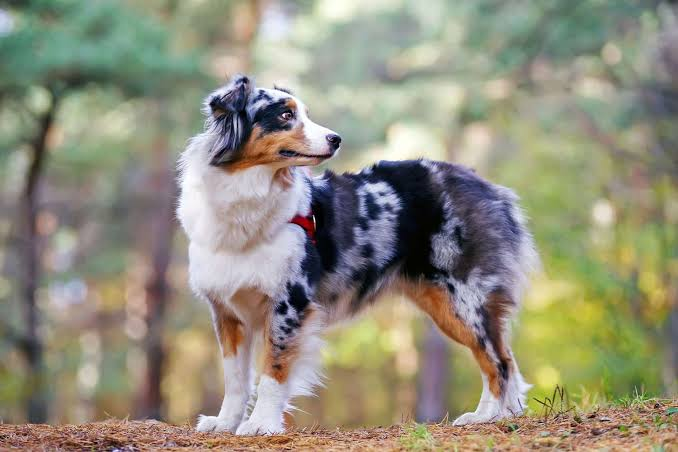
3. Australian Shepherd
Despite its name, the Australian Shepherd was largely developed in the United States. It became popular among ranchers because of its strong herding ability and intelligence.
Australian Shepherds are medium-sized dogs with athletic bodies and beautiful coats that can come in several color patterns. They are often energetic, playful, and eager to learn.
This breed can be an excellent choice for active families. Hiking, obedience training, agility, and other dog sports can help keep an Australian Shepherd physically and mentally satisfied.
4. Border Collie
The Border Collie is famous for its exceptional intelligence and herding ability. Originally developed in the British Isles, it has become one of the most respected working dogs in the world.
Border Collies are extremely responsive and can learn commands and patterns quickly. Their intelligence is one of their greatest strengths, but it also means they require substantial mental stimulation.
A bored Border Collie may invent its own activities, which can include unwanted behaviors. Owners should provide training, games, exercise, and opportunities to use the dog’s natural abilities.
5. Shetland Sheepdog
The Shetland Sheepdog, commonly called the Sheltie, is a smaller shepherd breed with a beautiful long coat and an energetic personality.
Shelties are intelligent, affectionate, and often highly responsive to training. Their smaller size makes them suitable for many homes, but they still need regular exercise and mental activities.
They can be excellent companions for people who enjoy obedience training, agility, walking, and interactive games.
6. Belgian Tervuren
The Belgian Tervuren is one of the four varieties of Belgian Shepherd. It is recognized for its elegant appearance, intelligence, athletic ability, and devotion to its family.
These dogs often have long coats and a confident, alert nature. They can excel in obedience, herding, agility, and other working activities.
Early socialization and consistent training are important. Belgian Tervurens tend to form strong bonds with their owners and benefit from being included in family activities.
7. Belgian Sheepdog
The Belgian Sheepdog, also known as the Groenendael, is another Belgian shepherd variety. It is known for its striking black coat, athletic build, intelligence, and protective nature.
This breed can be very devoted to its family. It often enjoys learning new skills and participating in activities that challenge both its body and mind.
Because of its energy and sensitivity, training should be consistent but positive. Owners should also introduce young dogs to different people, animals, environments, and experiences in a controlled manner.
8. Belgian Laekenois
The Belgian Laekenois is the least commonly seen of the four Belgian Shepherd varieties. It has a distinctive rough, wiry coat and an athletic body.
Like other Belgian shepherds, the Laekenois is intelligent, energetic, and capable of performing demanding work. It can form strong relationships with its family but requires proper training and socialization.
This breed is best suited to owners who appreciate active dogs and are prepared to dedicate time to training and exercise.
9. Dutch Shepherd
The Dutch Shepherd originated in the Netherlands, where it was used for farm work and herding. It is known for its versatility, intelligence, endurance, and strong working instincts.
Dutch Shepherds are commonly seen in various dog sports and working roles. Their brindle coat is one of their most recognizable features.
They generally respond well to consistent training and enjoy having tasks to complete. Regular physical activity combined with obedience exercises can help keep them balanced and happy.
10. Beauceron
The Beauceron is a powerful French shepherd breed with a confident and athletic appearance. Historically, it was used to herd and guard livestock.
Beaucerons are intelligent and protective but can be independent. They need an owner who understands canine behavior and can provide firm, fair, and consistent guidance.
With appropriate socialization and training, a Beauceron can become a loyal companion and impressive working dog.
11. Old English Sheepdog
The Old English Sheepdog is famous for its shaggy coat and distinctive appearance. Historically associated with British livestock work, this breed was valued for its ability to move and protect animals.
Despite its large appearance, the Old English Sheepdog can be playful and affectionate with its family.
Its thick coat requires considerable grooming. Owners should be prepared for regular brushing and routine coat maintenance to prevent mats and keep the dog comfortable.
12. Polish Lowland Sheepdog
The Polish Lowland Sheepdog, or PON, is a medium-sized herding breed from Poland. It has a thick coat and an intelligent, lively personality.
These dogs are often devoted to their families and can be excellent learners. They may have an independent streak, so training should be patient and consistent.
Their coat needs regular grooming, and daily activity is important for maintaining good physical and mental health.
13. Briard
The Briard is an ancient French herding breed known for its long coat, intelligence, loyalty, and protective instincts.
Briards can develop strong bonds with their families and often enjoy participating in activities with their owners. They are intelligent enough to learn many commands but may sometimes show independence.
Regular exercise, socialization, and grooming are important parts of responsible Briard ownership.
14. German Shepherd Dog Working Lines
German Shepherds can differ significantly depending on breeding lines and individual genetics. Working-line German Shepherds are often selected for drive, athletic ability, endurance, and working performance.
They can be excellent candidates for advanced obedience, tracking, protection sports, search work, and other demanding activities.
However, a working-line dog may have greater exercise and training requirements than someone expects from a typical family pet. Prospective owners should carefully consider the dog’s temperament and energy level before choosing one.
15. Miniature American Shepherd
The Miniature American Shepherd is a smaller herding breed that shares many characteristics with larger shepherd-type dogs. It is intelligent, athletic, and often enthusiastic about learning.
Its smaller size can make it easier to manage in some households, but it should not be considered a low-energy breed. These dogs still require regular exercise and mental stimulation.
They can enjoy activities such as hiking, obedience, agility, and interactive games.
Common Characteristics of Shepherd Breeds
Although shepherd breeds vary considerably, many share several characteristics.
Intelligence
Shepherd dogs were developed to work closely with people and make decisions around livestock. As a result, many are quick learners and highly responsive to training.
Loyalty
Many shepherd breeds form strong relationships with their families. Their loyalty can make them wonderful companions, but some may also become protective if they are not properly socialized.
High Energy
Most traditional shepherd breeds are active dogs. Daily walks alone may not be enough for some individuals. Running, hiking, training games, agility, retrieving, and other activities can provide additional stimulation.
Strong Work Instincts
Many shepherd dogs enjoy having a job. Training exercises, puzzle toys, scent games, and dog sports can provide an outlet for their natural abilities.
Trainability
Shepherd breeds are often highly trainable, but intelligence does not automatically mean easy ownership. Smart dogs can also learn unwanted behaviors quickly. Consistent, reward-based training is generally the best approach.
How to Choose the Right Shepherd Breed
Choosing the best shepherd breed requires more than selecting a dog based on appearance.
Consider your daily routine first. If you enjoy outdoor activities and can dedicate significant time to training, an energetic breed may be a good match.
If you have limited time for exercise, a highly driven working shepherd may not be appropriate.
You should also consider grooming. Breeds with long or dense coats can require frequent brushing and more maintenance than short-coated dogs.
Experience matters too. Some shepherd breeds are easier for first-time owners, while others are better suited to experienced handlers who understand training, socialization, and working-dog behavior.
Training and Socialization
Early socialization is important for shepherd breeds. Puppies should gradually experience different people, environments, sounds, surfaces, and situations in positive ways.
Basic obedience can begin during puppyhood. Commands such as sit, stay, come, leave it, and loose-leash walking can help create good communication between dog and owner.
Training should remain consistent throughout the dog’s life. Shepherd breeds often enjoy learning new commands, tricks, and advanced skills.
Positive reinforcement can make training enjoyable while strengthening the relationship between dog and owner.
Exercise Requirements
Exercise needs vary by breed and individual dog, but shepherd breeds generally benefit from daily physical activity.
A good routine may include walks, play sessions, training exercises, hiking, retrieving games, or dog sports. Mental stimulation is equally important.
Puzzle toys, scent games, obedience exercises, and interactive activities can help prevent boredom.
Young dogs should not be pushed into excessive high-impact exercise while their bodies are still developing. Exercise plans should be appropriate for the dog’s age, health, and breed.
Grooming Shepherd Breeds
Grooming requirements differ considerably among shepherd dogs.
Shorter-coated breeds may need only routine brushing, while long-haired breeds can require frequent grooming to prevent tangles and mats.
Regular nail trimming, dental care, ear checks, and bathing when necessary should also be part of a dog’s care routine.
Owners should learn the specific grooming needs of their chosen breed and establish a routine early.
Are Shepherd Breeds Good Family Dogs?
Many shepherd breeds can be excellent family companions when their physical, mental, and social needs are properly met.
However, individual temperament matters. Some dogs are naturally more reserved, protective, energetic, or sensitive than others.
Families with children should always supervise interactions between dogs and young children. Children should also be taught how to behave respectfully around animals.
The goal is to create a safe environment where both the dog and family understand appropriate boundaries.
Final Thoughts on Shepherd Breeds
Shepherd breeds are remarkable dogs known for intelligence, loyalty, athletic ability, and strong working instincts. From the German Shepherd and Belgian Malinois to the Border Collie and Australian Shepherd, there is considerable variety within the shepherd group.
The best shepherd breed for you depends on your lifestyle, experience, home environment, and ability to provide exercise, training, socialization, and companionship.
Before bringing one home, research the specific breed carefully and consider adopting from a responsible breeder or reputable rescue organization. A well-matched shepherd can become an incredibly loyal companion and a rewarding part of the family for many years.
FAQs About Shepherd Breeds
1. What are the most popular shepherd breeds?
Some of the most popular shepherd breeds include German Shepherds, Australian Shepherds, Border Collies, Belgian Malinois, Dutch Shepherds, Shetland Sheepdogs, and Old English Sheepdogs.
2. Which shepherd breed is best for families?
German Shepherds, Australian Shepherds, and Shetland Sheepdogs can be good family companions when properly trained and socialized. The best choice depends on the family’s lifestyle, experience, and ability to provide exercise.
3. Are shepherd breeds easy to train?
Many shepherd breeds are highly intelligent and respond well to consistent, positive training. However, their intelligence and energy mean they also need regular mental stimulation and clear boundaries.
4. Do shepherd breeds need a lot of exercise?
Yes. Most shepherd breeds are active dogs that need regular physical and mental exercise. Daily walks, play, training, hiking, and interactive games can help keep them healthy and engaged.
5. Are shepherd breeds good with children?
Some shepherd breeds can be excellent with children when properly socialized and trained. However, every dog has an individual temperament, and young children should always be supervised around dogs.
6. Which shepherd breed has the most energy?
Belgian Malinois and Border Collies are among the most energetic shepherd-type breeds. They typically require substantial exercise, training, and mental stimulation.
7. Do shepherd breeds require a lot of grooming?
Grooming needs vary. Long-haired breeds such as Old English Sheepdogs and Shetland Sheepdogs generally require more frequent brushing, while shorter-coated breeds may need less maintenance.
8. Can shepherd breeds live in apartments?
Some shepherd breeds can adapt to apartment living if they receive enough daily exercise and mental stimulation. However, highly energetic working breeds may be challenging in a small home without an appropriate activity routine.